Same-Day Appointments Available

What Happens If You Don't Go to the Dentist for Years? A Judgment-Free Guide
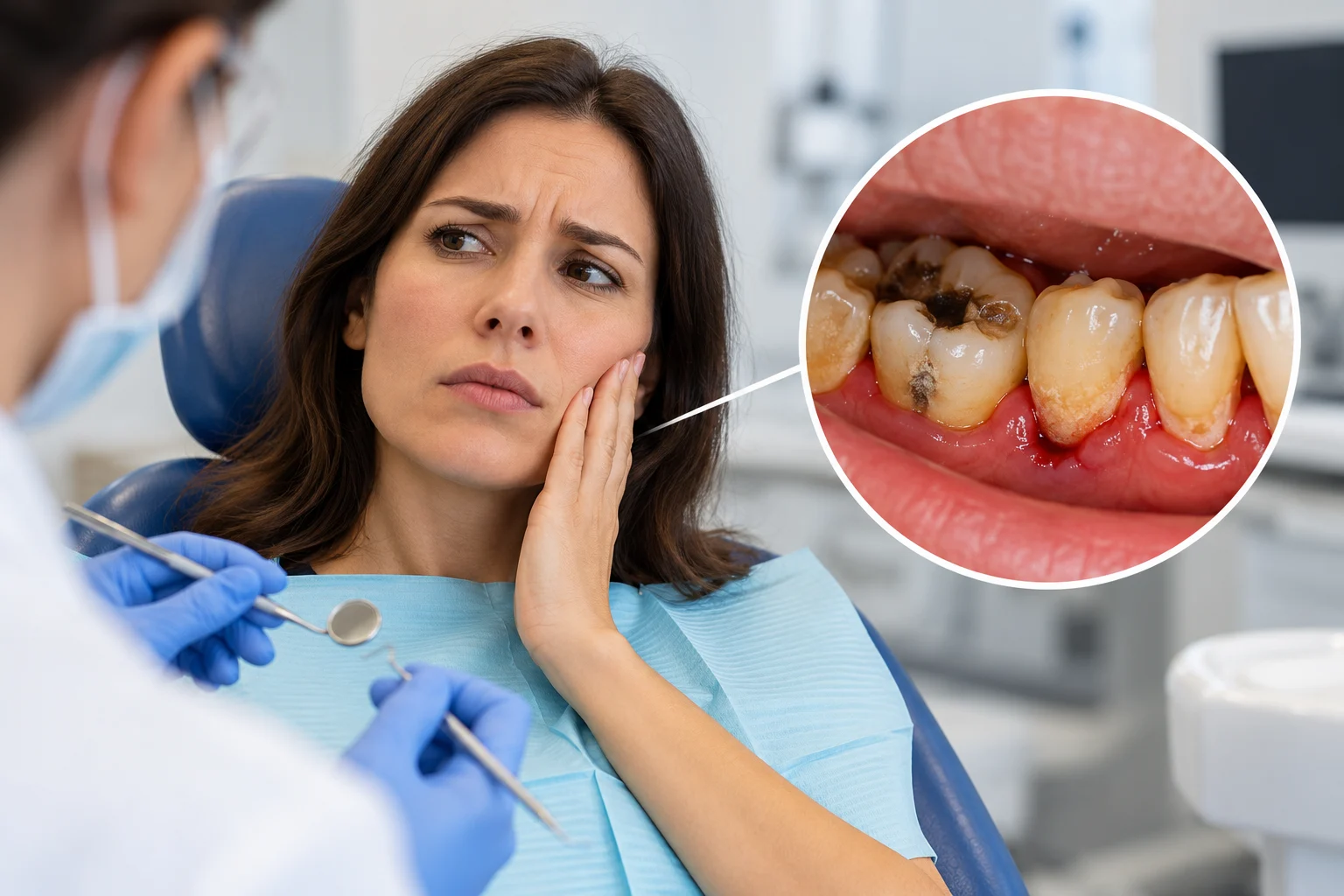
Haven't been to the dentist in years? You're far from the only one. A packed schedule, dental anxiety, worries about cost, or just putting it off one more month can easily turn into a long gap. And now you might be wondering what's going to happen when you finally walk back in.
Here's the good news: there's no reason to feel embarrassed about how long it's been. A dental visit is simply a chance to find out where your oral health stands and what care, if any, you may need from here.
At Varni Dental, we offer compassionate dental care to patients in San Jose who are coming back after a long break. Maybe this is your first visit in years, or maybe one specific problem is bothering you. Either way, our team can evaluate your teeth and gums and help you understand your options.
What Happens If You Haven't Been to the Dentist in Years?
After several years without a check-up, plaque and tartar can build up, and dental problems may develop without any obvious symptoms.
Some conditions, including early tooth decay and gum disease, may not cause noticeable discomfort in the early stages. Without regular exams, they can keep developing before you realize anything is wrong.
After a few years without dental care, your dentist may check for:
- Tooth decay and cavities
- Plaque and tartar buildup
- Gum inflammation or periodontal disease
- Worn, chipped, or damaged teeth
- Tooth sensitivity
- Signs of infection
- Changes in existing dental restorations
- Areas that may need additional evaluation
None of this means you'll automatically have serious problems. Every patient is different, and an exam is the only way to know what's really going on in your mouth.
Is It Bad to Go Years Without Seeing a Dentist?
Going years between appointments can make it harder to catch and manage dental problems early.
Regular visits let your dental team keep track of changes in your teeth and gums. They're also a chance to remove tartar, which brushing and flossing at home can't deal with effectively. For many people, how often to visit the dentist comes down to their individual oral health.
Still, if it's been years, feeling guilty won't do you any good. The most useful thing you can do is book an appointment and find out what your oral health looks like today.
From there, your dentist can help you put together a practical plan for looking after your teeth and gums going forward.
What Should You Expect During Your First Dental Visit in Years?
Knowing what's coming can take a lot of the stress out of a first visit after a long time.
Your first visit may include:
A Discussion About Your Dental History
Your dentist may ask when you last saw a dentist, whether you've had any dental problems, and whether you have symptoms right now, such as pain, sensitivity, bleeding, or swelling.
Be honest about how long it's been. Your dental team is there to help you, not to judge you.
An Examination of Your Teeth and Gums
Your dentist will look closely at your teeth, gums, and surrounding tissues for signs of decay, gum disease, damaged teeth, or anything else of concern.
Dental X-Rays When Needed
Depending on your history, your symptoms, and what the exam shows, your dentist may recommend dental X-rays. These images can reveal problems that a visual exam can't always pick up.
Professional Cleaning
If it's appropriate, your dentist or hygienist may recommend a professional cleaning to remove plaque, tartar, and surface buildup.
If there's a lot of buildup, or signs of periodontal disease, your dentist may suggest deep cleaning or other periodontal treatment instead of a routine cleaning.
A Discussion About Your Next Steps
You probably won't need every possible treatment. Your dentist can explain what they find, go over your options, and help you prioritize care based on your oral health needs.
Will the Dentist Judge You for Not Going for Years?
It's one of the most common worries for anyone booking their first appointment in years: will the dentist judge me?
You might feel embarrassed about the state of your teeth, or worry you'll be criticized for waiting so long. But your appointment should be about your health today and how to move forward from here.
If you're nervous, say so before the appointment. Letting your dental team know you have dental anxiety, or that returning after a long break feels uncomfortable, helps them figure out how to make the visit easier for you.
You can also ask questions at any point during the appointment if something isn't clear.
What Dental Problems Can Develop Without Regular Check-Ups?
Not everyone who skips appointments ends up with significant problems. Regular exams are useful, though, because some oral health concerns can progress without obvious symptoms.
Cavities
Tooth decay can develop when bacteria and acids damage the tooth structure. A cavity may not hurt right away, so you might not realize there's a problem.
Gum Disease
Plaque and tartar can inflame the gums. Signs may include bleeding, redness, swelling, or tenderness. If gum disease progresses, it can affect the tissues and bone that support your teeth.
Tartar Buildup
Plaque that isn't removed can harden into tartar. Unlike plaque, tartar can't be effectively removed with a regular toothbrush and generally needs a professional cleaning.
Damaged or Worn Teeth
Over time, teeth can get chipped, cracked, worn down, or otherwise damaged. Regular exams give your dentist a chance to keep an eye on these changes.
What If You Have Tooth Pain After Not Seeing a Dentist for Years?
If you have tooth pain, don't wait for a routine appointment to come around. Get care sooner. Our guide on how to handle a dental emergency can help you decide what to do next.
Tooth pain can have several possible causes, including decay, infection, a damaged tooth, gum problems, or other dental conditions. Your dentist can examine the area and work out what may be causing the discomfort.
You should also contact a dentist if you notice:
- Persistent tooth sensitivity
- Swollen gums
- Bleeding gums
- Facial or jaw swelling
- Pain when biting or chewing
- A broken or chipped tooth
- A loose permanent tooth
- A persistent bad taste or unpleasant odor
Severe swelling, trouble breathing or swallowing, or other signs of a serious infection need prompt medical attention.
Will You Need a Lot of Dental Work After Years Away?
Not necessarily.
How much treatment you need depends on your own oral health. Some patients only need an exam, X-rays, and a cleaning. Others have cavities, gum disease, damaged teeth, or older dental work that needs attention.
Your dentist can explain which concerns need attention now and which can simply be monitored.
If several treatments come up, you can also talk about which ones to tackle first and what your options are.
The point isn't to guess what you need before your exam. It's to understand your current oral health and build a plan that makes sense for you.
What If You Are Afraid of Going to the Dentist?
Dental anxiety is one reason some people stay away for years. If that sounds like you, let your dental team know before your visit. For more ideas, read our tips to ease dental fear.
You can also make the appointment easier by:
- Scheduling a time when you won't be rushed
- Telling the dental team you're nervous
- Asking your dentist to explain each step before treatment
- Taking breaks when you need them
- Asking questions about any recommended treatment
- Starting with a conversation and exam if you're especially anxious
You don't have to pretend you're comfortable. Speaking up about your concerns helps your dental team provide care in a way that feels more manageable.
How Can You Prepare for Your First Dental Visit in Years?
You don't need to do anything complicated before your appointment.
It can help to make a note of:
- When you last saw a dentist, if you remember
- Any current dental symptoms
- Medications you take
- Previous dental treatments
- Any allergies or relevant medical information
- Questions you want to ask your dentist
Keep up your usual brushing and cleaning between your teeth before the appointment. There's no need to try to hide or fix dental problems before your dentist sees them.
Your dental team needs to see your current oral health as it is, so they can provide the right care.
What Happens After Your First Dental Appointment in Years?
Once your dentist has evaluated your oral health, you'll have a much clearer idea of what comes next.
Depending on the findings, your plan may include:
- A routine dental cleaning
- Additional periodontal care
- Treatment for cavities
- Replacement or repair of damaged dental work
- Treatment for a specific dental problem
- Follow-up examinations
- A regular preventive-care schedule
Your dentist can also recommend how often you should come back, based on your individual oral health needs.
If you've been away from dental care for several years, you don't necessarily have to solve everything in one appointment. Taking it step by step may make your care easier to manage.
How Often Should You Visit the Dentist After a Long Break?
Once your immediate dental needs are taken care of, your dentist can recommend a schedule for ongoing care.
For many people, routine exams and professional cleanings happen about every six months. The ideal frequency can vary, though, depending on things like gum health, dental history, tartar buildup, and your risk of tooth decay.
Sticking to the schedule your dentist recommends helps your dental team monitor changes in your oral health over time.
Why Choose Varni Dental in San Jose?
At Varni Dental, we know that going back to the dentist after a long break can feel uncomfortable or stressful.
Our team provides personalized dental care in San Jose, with a focus on understanding your current oral health and helping you move forward with a practical treatment plan. Whether you need a routine cleaning, a dental exam, or treatment for a specific concern, we can evaluate your needs and explain your options.
You don't need perfect teeth before you make an appointment. You just need to take the first step.
Learn more about dental care at Varni Dental and schedule a visit to get your oral health back on track.
Going to the Dentist After a Long Time? Start Where You Are
If you've been putting off your dental appointment because it's been years, you don't need to wait any longer.
Your first dentist appointment in years is simply a chance to see where your oral health stands today. You may only need routine preventive care, or your dentist may find concerns that need treatment. Either way, knowing what's going on lets you make informed decisions about your dental health.
If you're looking for a compassionate dentist in San Jose, Varni Dental can help you take that first step. Schedule an appointment and let your dental team help you create a plan for a healthier smile.
Frequently Asked Questions on Visiting the Dentist After a Long Time
Q: What should I do if I haven't been to the dentist in years?
A: Start by scheduling a dental exam. Your dentist can evaluate your teeth and gums, identify any current concerns, and recommend the care you may need. There's no need to feel embarrassed about how long it's been.
Q: What happens during a first dental visit in years?
A: Your dentist may talk through your dental history, examine your teeth and gums, take X-rays if needed, and recommend a professional cleaning or other treatment based on your oral health.
Q: Will I need a lot of dental work if I haven't seen a dentist in years?
A: Not necessarily. The amount of treatment varies from person to person. Some patients may need only preventive care, while others may have cavities, gum disease, or other concerns that need treatment.
Q: Can I go to the dentist if I have not brushed properly for years?
A: Yes. You should still schedule an appointment. Your dentist can assess your oral health and give you guidance on improving your daily oral hygiene routine.
Q: What if I am embarrassed about going to the dentist after a long time?
A: You're not alone in feeling this way. Tell your dental team that you're nervous or uncomfortable about returning after a long break. Open communication can make your appointment easier and more comfortable.
Q: How often should I visit the dentist after my first appointment in years?
A: Your dentist can recommend a schedule based on your oral health, dental history, gum health, and risk factors. Many people have routine visits about every six months, but some patients may need more frequent care.


