Same-Day Appointments Available

How Often Should You Go to the Dentist?
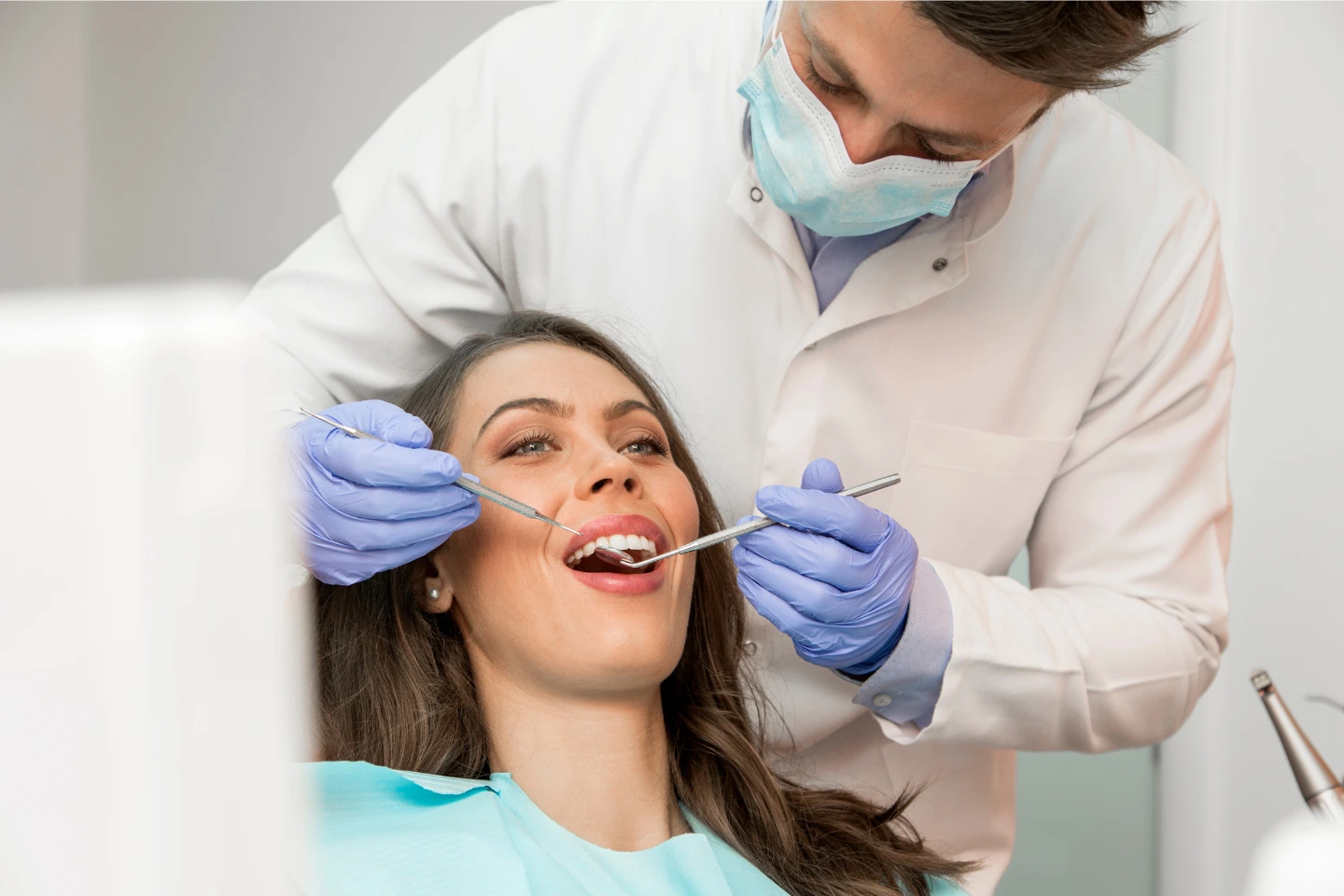
Many people wonder, “How often should you go to the dentist?” The answer is not always the same for everyone. While the common recommendation is every six months, your dental needs may vary depending on your oral health, age, lifestyle, and medical conditions.
Six months is a handy starting point, and your dentist moves it up or down from there. A Cochrane review of recall intervals found little difference in decay or gum disease between fixed six-month visits and schedules built around personal risk, so we plan yours around your mouth, not the calendar.
Regular dental visits are one of the most important steps you can take to protect your teeth and gums. Skipping appointments may allow small dental issues to become larger and more expensive problems over time.
At Varni Dental, patients in San Jose receive preventive dental care designed to help maintain healthy smiles for the long term. Whether you need a routine cleaning or have ongoing dental concerns, understanding how often to see a dentist can help you stay ahead of oral health problems.
Why Regular Dental Visits Matter
Routine dental checkups do much more than clean your teeth. During your appointment, your dentist examines your mouth for signs of:
- Cavities
- Gum disease
- Tooth wear
- Oral infections
- Cracked or damaged teeth
- Oral cancer
- Plaque and tartar buildup
Professional cleanings also remove hardened plaque that brushing and flossing cannot eliminate at home.
Many dental conditions develop slowly and may not cause pain in the early stages. Visiting the dentist regularly allows these issues to be identified before they become serious.
How Often Should You Be Going to the Dentist?
For most people, dentists recommend visiting every six months for a dental exam and professional cleaning. This schedule helps maintain good oral hygiene and reduces the risk of developing cavities or gum disease.
However, some patients may need more frequent visits depending on their oral health history.
You may need dental checkups every three to four months if you have:
- Gum disease
- Frequent cavities
- Diabetes
- Smoking habits
- Dental implants
- Braces or orthodontic appliances
- Dry mouth
- A weakened immune system
Pregnancy belongs on that list too. Hormone changes can make gums swell and bleed more easily, so an extra checkup often makes sense, and the CDC says dental care is safe during pregnancy.
Patients with healthy teeth and gums and a low risk of dental disease may occasionally be advised to come in once a year. Your dentist will determine the best schedule based on your individual needs.
How Often Should I Visit the Dentist If I Have No Pain?
One of the biggest misconceptions is that dental visits are only necessary when pain appears. In reality, many oral health problems begin silently.
Cavities may not hurt until they become deep. Gum disease can progress without discomfort for months or even years. By the time symptoms become noticeable, treatment is often more extensive.
Preventive dental care helps stop these issues before they become emergencies.
Even if your teeth feel fine, routine visits remain essential for maintaining long-term oral health.
Is Twice a Year Really Necessary?
Not for everyone. The twice-a-year habit is often traced back to old toothpaste advertising rather than hard data. If your gums are healthy, you rarely get cavities and your home care is solid, once a year can be plenty. Skipping a year here and there is rarely a disaster. Skipping three usually is, because tartar hardens in spots a toothbrush can't reach and small spots of decay grow quietly. Not sure which group you're in? Ask at your next exam.
How Often to See Dentist for Professional Teeth Cleaning
Professional dental cleanings are recommended every six months for most patients. During the cleaning, plaque and tartar are removed from areas that are difficult to reach with regular brushing and flossing.
Routine cleanings help:
- Prevent cavities
- Reduce gum inflammation
- Improve breath freshness
- Lower the risk of tooth loss
- Maintain overall oral hygiene
Patients with periodontal disease or heavy tartar buildup may require deep cleanings or more frequent maintenance visits.
Does Insurance Cover Dental Checkups and Cleanings?
Many plans cover two preventive visits a year, often at little or no cost, though limits and copays differ from plan to plan. Our insurance page has the details, and our team is happy to go through your benefits before you book.
Children and Dental Visit Frequency
Children should begin seeing a dentist shortly after their first tooth erupts or by their first birthday.
The American Dental Association agrees on that timing, and our kids dentistry team keeps first visits short and gentle.
Regular dental visits are important for monitoring:
- Tooth development
- Bite alignment
- Early cavities
- Oral hygiene habits
Most children benefit from checkups every six months. Preventive care during childhood can reduce the risk of serious dental issues later in life.
Dental Visit Frequency for Seniors
Older adults often experience dental challenges related to aging, medications, dry mouth, or gum recession.
Seniors may require more frequent dental care to monitor:
- Tooth wear
- Gum health
- Denture fit
- Root decay
- Oral cancer screenings
Regular exams help preserve natural teeth and maintain comfort while eating and speaking.
Signs You Should Visit the Dentist Sooner
Even if you recently had a dental checkup, certain symptoms should not be ignored.
Schedule a dental visit if you notice:
- Tooth pain
- Bleeding gums
- Persistent bad breath
- Loose teeth
- Jaw discomfort
- Sensitivity to hot or cold
- Swollen gums
- Broken fillings or crowns
Early treatment can often prevent more complex procedures later.
What Happens During a Routine Dental Visit?
A standard dental appointment typically includes:
Dental Examination
Your dentist evaluates your teeth, gums, jaw, and oral tissues for signs of disease or damage.
Professional Cleaning
A dental hygienist removes plaque and tartar buildup, followed by polishing and flossing.
Digital X-Rays
X-rays may be taken periodically to detect hidden issues such as cavities between teeth, bone loss, or impacted teeth.
Oral Cancer Screening
Routine screenings help identify abnormal tissue changes early.
Personalized Oral Hygiene Recommendations
Your dentist may suggest specific brushing, flossing, or dietary adjustments based on your oral health.
How Skipping Dental Visits Can Affect Your Health
Avoiding regular dental care can lead to several oral health complications, including:
- Advanced tooth decay
- Gum disease
- Tooth loss
- Bone deterioration
- Dental infections
- Costly restorative procedures
Poor oral health has also been linked to certain systemic health conditions, including diabetes and cardiovascular disease.
Preventive dentistry is often more affordable and less invasive than treating advanced dental problems.
Catch a small cavity early and it's usually a quick filling. Wait, and you could be looking at a root canal instead.
Maintaining Healthy Teeth Between Dental Visits
In addition to routine dental appointments, maintaining good oral hygiene at home is essential.
Healthy habits include:
- Brushing twice daily with fluoride toothpaste
- Flossing once daily
- Limiting sugary foods and drinks
- Drinking plenty of water
- Avoiding tobacco products
- Wearing a mouthguard during sports
- Replacing your toothbrush every three months
Consistency with daily care helps support long-term dental health. Patients who receive regular general oral care services often find it easier to avoid common dental problems and maintain healthier smiles over time.
Choosing a Dentist
Finding a trusted dental provider is important for maintaining regular oral care. Patients looking for preventive dentistry in San Jose can benefit from personalized treatment plans and comprehensive evaluations. Taking time to learn about choosing the right dental provider can help you make an informed decision for your long-term oral health.
At Varni Dental in San Jose, the focus is on preventive care, patient comfort, and long-term oral health. Routine dental visits help identify issues early and keep your smile healthy year-round.
So, how often should you go to the dentist? For most people, visiting every six months is the ideal schedule for maintaining healthy teeth and gums. However, some patients may require more frequent care depending on their oral health needs.
Regular dental visits are one of the best investments you can make in your overall health. Preventive care helps reduce future dental problems, supports oral hygiene, and keeps your smile looking and feeling its best.
If you are due for a dental checkup or looking for a trusted dentist in San Jose, scheduling regular preventive visits can help you maintain strong and healthy teeth for years to come.
Ready to book? Contact our San Jose office and we'll find a schedule that fits you.
FAQs on Choosing a Dentist
Q: How often should you be going to the dentist?
A: Most patients should visit the dentist every six months for routine exams and cleanings. Some individuals with gum disease or ongoing dental concerns may need more frequent visits.
Q: How often should I visit the dentist if I have healthy teeth?
A: If your teeth and gums are healthy, your dentist may recommend visits every six to twelve months depending on your risk factors.
Q: How often do you see a dentist for teeth cleaning?
A: Professional teeth cleanings are generally recommended every six months to remove plaque and tartar buildup.
Q: Can I wait until I have tooth pain to visit the dentist?
A: No. Many dental problems develop without symptoms initially. Routine visits help detect issues early before pain begins.
Q: Why are regular dental visits important?
A: Regular dental visits help prevent cavities, gum disease, tooth loss, and other oral health complications while supporting overall health.
Q: Is it okay to go to the dentist only once a year?
A: It can be, if your gums are healthy, you rarely get cavities and your home care is good. Check with your dentist first, since they know your history.
Q: How often should pregnant women see the dentist?
A: Regular checkups and cleanings are safe during pregnancy, and some dentists add a visit because gums tend to bleed more. Just tell your dentist you're expecting.
Q: How long can you go without seeing a dentist?
A: Much past a year, tartar and early decay can go unnoticed, and fixing them costs more. If it's been longer than that, book anyway. Nobody's going to lecture you.


