Same-Day Appointments Available

Zirconia vs. Porcelain Crowns: Which One Should You Choose in 2025?
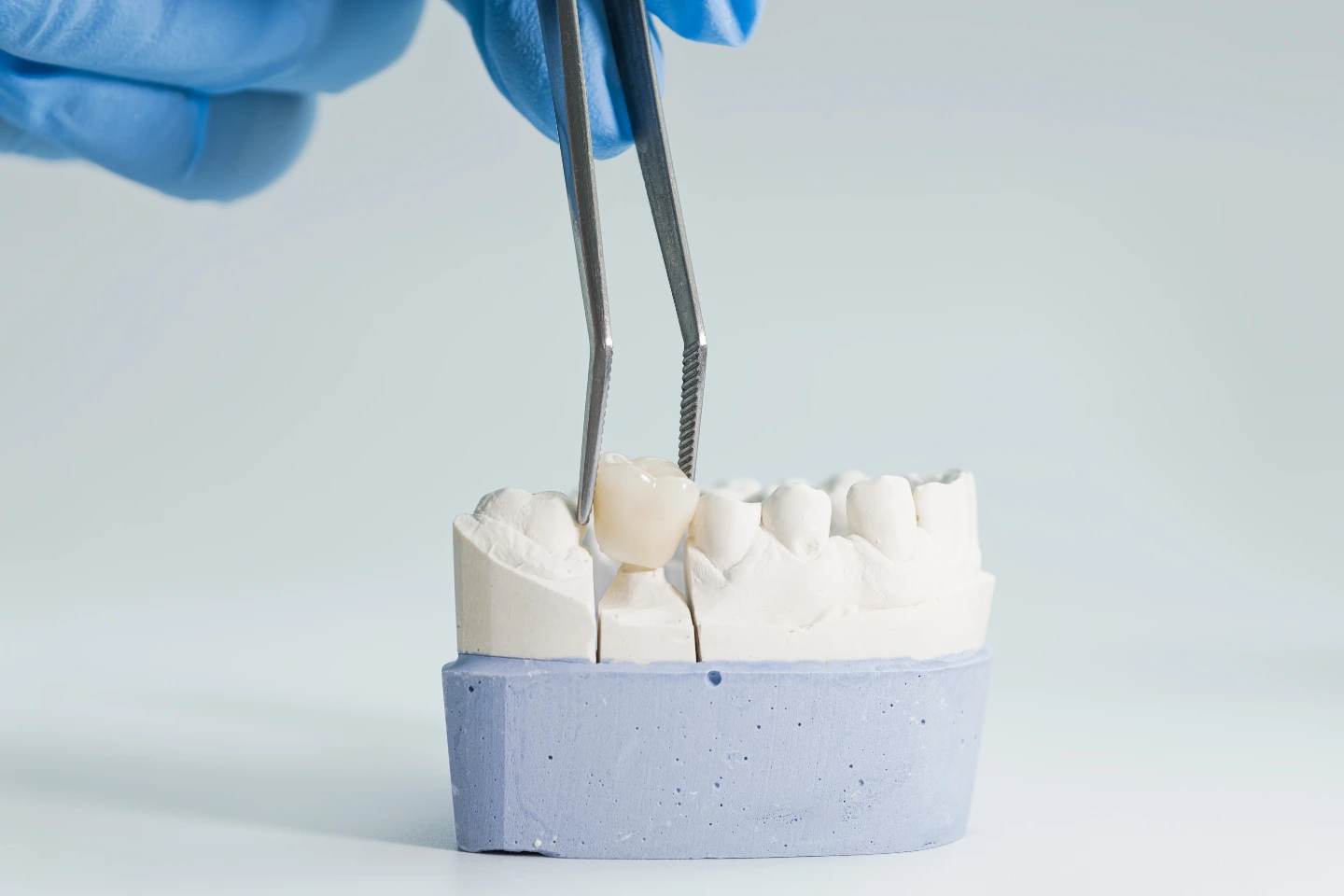
Dental crowns are one of the most common restorative solutions used to protect damaged teeth, improve function, and enhance the aesthetics of a smile. As materials and technologies continue to evolve, patients now have more advanced options than ever. Among the top choices are zirconia and porcelain crowns—each offering unique benefits depending on your individual dental needs.
So, as we step into 2026, which crown material is best suited for you: zirconia or porcelain? In this blog, we break down both options in detail to help you make an informed decision.
Understanding Dental Crowns
A dental crown is a cap that covers a damaged tooth to restore its shape, size, and strength while improving its appearance. Crowns are commonly used after root canal treatment, for large cavities, fractured teeth, or to enhance cosmetic appearance. The material used plays a major role in how durable and natural-looking the crown will be.
What Are Zirconia Crowns?
Zirconia crowns are made from zirconium dioxide, a type of ceramic known for its exceptional strength and biocompatibility. These crowns have grown in popularity in recent years, especially with the introduction of more translucent and aesthetically refined versions.
Zirconia is an ideal option for patients who need a crown on their back teeth or who grind their teeth, as it can withstand significant chewing forces. The latest high-translucent zirconia materials are also more natural-looking, making them suitable for front teeth as well in some cases.
Advantages of Zirconia Crowns
Zirconia crowns are extremely durable, often lasting 10 to 15 years or longer with proper care. They require minimal tooth preparation compared to other materials, helping preserve more of your natural tooth structure. They're also resistant to staining, which makes them a good choice for long-term aesthetics.
Another advantage is their biocompatibility. Zirconia is generally well-tolerated by the body and is unlikely to cause allergic reactions or irritation. Additionally, many practices, including ours at Varni Dental, offer same-day zirconia crowns using advanced CAD/CAM technology.
Limitations of Zirconia Crowns
While zirconia crowns are highly durable, their strength can be a drawback if not handled correctly. Because they are harder than natural enamel, they may cause wear on opposing teeth if not adjusted properly. Also, traditional zirconia is less translucent than natural enamel, although newer generations have improved significantly in this area.
What Are Porcelain Crowns?
Porcelain crowns, often referred to as all-ceramic crowns, are known for their superior aesthetics. They closely mimic the natural look of teeth due to their translucency and color-matching ability. This makes them especially suitable for front teeth, where appearance is a top priority.
Porcelain can be used alone or fused to a metal base (porcelain-fused-to-metal, or PFM). In 2026, however, many patients prefer all-ceramic crowns due to their more natural appearance and lack of visible metal margins.
Advantages of Porcelain Crowns
Porcelain crowns offer the most lifelike appearance among all crown materials. Their color, texture, and translucency allow them to blend seamlessly with surrounding teeth. They're especially recommended for visible areas of the mouth and cosmetic smile makeovers.
These crowns are also fairly gentle on opposing teeth, making them a comfortable option for many patients. They have a long track record of success and remain a go-to for dentists looking to deliver a highly aesthetic restoration.
Limitations of Porcelain Crowns
Despite their natural appearance, porcelain crowns are not as strong as zirconia. They may be more prone to chipping or cracking, especially if placed on molars or used by someone with teeth-grinding habits. They also require more tooth structure to be removed during the preparation process.
In the case of porcelain-fused-to-metal crowns, the metal base may become visible over time, especially if gums recede. This can affect the aesthetics of the restoration.
Is Zirconia Actually a Type of Porcelain?
Short answer: not exactly, and this trips people up constantly. Both zirconia and porcelain are technically ceramics, so it's a fair question. But "porcelain" in dentistry usually refers to feldspathic or lithium disilicate ceramic, while zirconia is zirconium dioxide, a different compound entirely with a different crystal structure. That's why zirconia comes out stronger and porcelain comes out more translucent, they're not the same material wearing two names. If a dentist tells you "it's basically the same thing," that's a simplification, not the full picture.
What's New?
Recent advancements in dental technology have improved both zirconia and porcelain crown materials. Translucent zirconia is now more aesthetic than ever before, offering better light reflection and color matching. Meanwhile, digital impressions, AI-driven crown design, and 3D printing have all contributed to faster turnaround times and better-fitting restorations.
In many modern dental practices, including ours at Varni Dental, we utilize chairside CAD/CAM systems that allow for same-day zirconia crown delivery. These systems ensure precise fit and reduce the need for multiple appointments.
How to Choose Between Zirconia and Porcelain Crowns
The right crown for you depends on several factors. If strength and durability are your main concerns, especially for molars or areas exposed to strong biting forces, zirconia crowns are the better option. If you're more concerned with aesthetics—particularly for front teeth—porcelain crowns offer the most natural appearance.
Other factors to consider include your bite, habits like grinding or clenching, gum health, and whether you want a same-day restoration. Cost is also a consideration, as zirconia crowns can be slightly more expensive due to their strength and the advanced technology often used to fabricate them.
Our Recommendation at Varni Dental
At Varni Dental, we believe in personalized care tailored to your unique needs. We take into account your dental history, lifestyle, and aesthetic goals when recommending the most suitable crown material. Our team uses the latest dental materials and technologies to ensure that you receive a restoration that is both functional and beautiful.
For back teeth or patients who tend to grind or clench their teeth, we generally recommend zirconia crowns due to their strength. For visible front teeth or those seeking the highest level of cosmetic enhancement, porcelain crowns or newer translucent zirconia options may be the ideal choice.
Final Thoughts
Choosing the right crown material is an important step toward protecting your dental health and achieving a confident smile. With modern options like zirconia and porcelain, there's no need to compromise between strength and aesthetics. Consult with an experienced dental professional to determine what's best for you.
If you're considering a dental crown, schedule a consultation with our team at Varni Dental. We'll guide you through the process and help you choose the crown that fits your smile perfectly.
FAQs on Zirconia vs. Porcelain Crowns
Is zirconia a type of porcelain or ceramic?
It's a ceramic, but not the same ceramic as porcelain. Zirconia is zirconium dioxide; dental porcelain is usually feldspathic or lithium disilicate. Different compounds, different strength and translucency profiles.
Which is better for grinding your teeth (bruxism)?
Zirconia, generally. Its strength holds up better against the repeated force of clenching or grinding, though we'll usually pair it with a nightguard regardless of material to protect your other teeth.
Does a zirconia crown show up on an X-ray?
Yes. Zirconia is radiopaque, meaning it shows clearly on X-rays, which actually makes it easier for us to check the margins and fit at your checkups compared to some all-ceramic materials.
How much more does a zirconia crown cost compared to porcelain?
It varies by case, but zirconia typically runs somewhat higher than porcelain given the material and lab work involved. Ask us for an exact quote once we've seen the tooth, since prep, lab, and insurance all factor in.
Does this same comparison apply to veneers, not just crowns?
The strength-versus-translucency tradeoff is similar, but veneer shade selection is really its own conversation. If you're looking at veneers specifically, our guide to choosing the right veneer shade covers that in more depth.
What about zirconia vs. porcelain for a crown on a dental implant?
Same general logic applies, zirconia for strength on back-tooth implants, porcelain or translucent zirconia for a front-tooth implant where appearance matters more. Your implant dentist will usually make the call based on where in your mouth it's going.


