Same-Day Appointments Available

How to Choose the Right Shade for Your Veneers
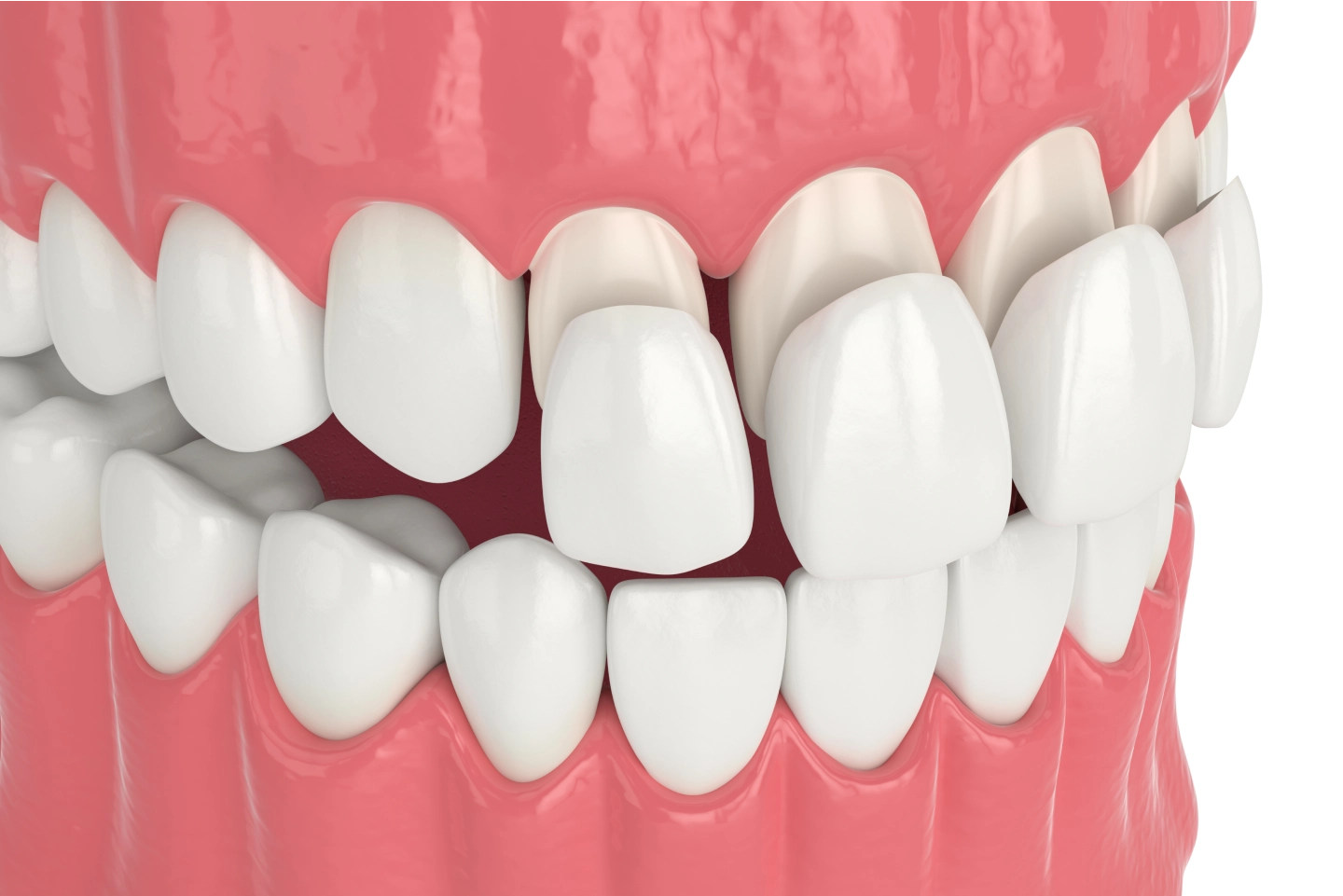
Dental veneers are among the most popular cosmetic dental treatments, known for creating stunning, symmetrical, radiant smiles. But one key factor that can make or break the final outcome is shade selection. Choosing the right veneer shade ensures your smile looks natural and matches your facial features.
If you're considering veneers, this detailed guide will help you select the ideal veneer shade for your smile makeover.
Why Is Veneer Shade Selection So Important?
When patients consider veneers, they often assume "the whiter, the better." However, that's not always the case. A veneer shade that's too white may look artificial, especially if it doesn't match your complexion or the color of your natural teeth.
The right veneer shade can:
- Enhance the natural appearance of your smile
- Improve your overall facial aesthetics
- Boost your confidence
- Ensure a flawless fusion with adjacent teeth (for partial veneer cases)
The goal is to create a smile that looks balanced, natural, and in harmony with your overall appearance.
Now that you understand why shade selection matters, let's look at the key factors that influence the right choice.
Key Factors to Consider When Choosing a Veneer Shade
Selecting a veneer shade is a personalized process. Dentists evaluate a number of factors to guide you toward the most suitable choice.
1. Skin Tone
Your skin tone plays a big role in how white your teeth appear.
- Fair skin tones often work well with brighter shades like B1 or BL1, which offer a sparkling yet natural look.
- Medium skin tones may benefit from slightly softer white shades (such as A1 or B2) that balance brightness and realism.
- Darker skin tones usually look great with warm-toned veneers that bring contrast without appearing overly stark.
Dentists also assess undertones, cool, warm, or neutral, to find a shade that suits with your overall look.
2. Natural Tooth Color (if you're not doing a full set)
If you're getting veneers on only a few teeth, it's critical that the shade matches your existing teeth. In such cases, a custom color match is essential to avoid a mismatched appearance.
Some patients opt for teeth whitening before getting veneers to brighten the rest of their smile. You can explore how veneers refine overall smile aesthetics in this guide on how veneers help you get a better smile.
Whitening first, then matching veneers to the new shade, helps achieve a seamless finish.
3. Age and Lifestyle
As we age, our natural teeth tend to darken. While many patients want brighter teeth, selecting a shade that's too white may not suit more mature individuals. A balanced shade often looks more natural than an overly bright one.
Also, consider lifestyle variables such as:
- Smoking habits
- Diet (coffee, wine, etc.)
- Oral hygiene habits
These can affect how veneers maintain their color over time.
4. Facial Features and Smile Shape
The color of your veneers must complement your lips, eyes, and facial structure. A smile that's too white or stark may draw attention for the wrong reasons.
We also look at your smile line, gum position, and how much of your teeth show when you talk or laugh. These features help determine a shade that fits naturally into your facial frame.
5. Personal Preferences and Smile Goals
Ultimately, your smile is your choice. Whether you want a dramatic "Hollywood smile" or a modest enhancement, your preferences carry a key role.
Before deciding, it's helpful to review common patient concerns in this article on questions to ask before getting dental veneers.
Digital smile design and shade simulation tools can help you visualize your new smile before making a final decision.
The Veneer Shade Guide: How Dentists Choose the Right Color
Dental professionals use a standardized shade guide to help select veneer colors. The most common system is the VITA shade guide.
These categories help dentists match shades based on underlying tooth tones.
- A Shades: Reddish-brown
- B Shades: Reddish-yellow
- C Shades: Gray
- D Shades: Reddish-gray
- Bleach Shades (BL1, BL2, BL3): Ultra-white tones for a more glamorous appearance
We also use digital photography and color-matching technology to assure accuracy. In some cases, we create wax-ups or mock-ups for you to try before the final veneers are bonded.
One thing that trips patients up when they first look at a shade guide: the letters aren't ranked by brightness. By actual whiteness, the order runs roughly B1, A1, B2, D2, A2, C1, C2, D4, A3, D3, B3, A3.5, B4, C3, A4, C4, from lightest to darkest, per the VITA classical shade system. A2 and B2 are the two shades that come up most often as a natural adult starting point, which is worth knowing before you assume you need something brighter.
BL1 vs BL2 vs BL3: How the Bleach Shades Actually Compare
A lot of the questions we get about veneer shades come down to the bleach family specifically, BL1, BL2, and BL3. These three sit past anything a natural tooth produces on its own, so it helps to know what actually separates them.
BL1 is the whitest option available. It can read as a little flat and uniform under normal light, which is part of why some patients regret it once the veneers are actually in. BL2 sits just below it, close to 95% as white, but with more translucency, so light moves through it the way it does with real enamel. That difference in depth is a big reason BL2 has become the shade most cosmetic dentists actually recommend, even to patients who walk in asking for BL1. BL3 is warmer still and tends to blend better with medium or olive skin tones.
If you're getting a full arch of veneers (eight or more visible teeth), BL2 usually looks intentional rather than jarring. Doing just two or three veneers in BL2 next to natural B1 or A1 teeth is a common mistake, the mismatch shows the moment you smile. For partial cases, staying closer to your natural shade family almost always looks better than chasing maximum white.
B1 vs B2: The Two Shades Most Patients Compare
B1 and B2 come up constantly in consultations too, and for good reason, they're the most requested natural-looking shades at our practice. B1 is the lightest shade in the standard VITA range, with a cooler, slightly bluish-white base. B2 sits one step warmer and slightly less bright.
Neither is objectively better. Patients with cooler undertones who want a crisp, camera-ready smile usually gravitate toward B1. Patients who want something that still reads as convincingly natural, especially anyone over 40, tend to be happier with B2 a year later. We've had patients ask to go lighter from B2 to B1 mid-trial, and just as many go the other way once they see B1 next to their skin tone in daylight instead of under the exam light.
Common Mistakes to Avoid When Choosing Veneer Shades
Here are a few things to avoid during shade selection:
- Going too white: An unnaturally bright shade can look fake and draw unwanted attention.
- Ignoring surrounding teeth: When only a few teeth are veneered, matching them to existing teeth is important.
- Overlooking facial tone along with features: Veneers should enhance, not overpower, your natural features.
- Skipping professional input: DIY research helps, but expert guidance secures the best results.
Custom Smile Design at Varni Dental
When you visit Varni Dental for cosmetic veneers in San Jose, CA, you'll receive a personalized smile makeover experience, which includes:
- Digital smile preview to show you how different shades look
- Comprehensive facial and oral evaluation to ensure harmony
- Mock-up veneer trials so you can "test-drive" your new smile
- Color-matching with adjacent teeth for natural-looking results
To understand the full transformation process, read this detailed guide on how to transform your smile with veneers.
Most patients wear their trial veneers for a few days before anything is finalized, and that window matters more than people expect. Shade looks different in your bathroom mirror, in the car, and under office lighting, and it's worth checking all three before signing off. If you're still deciding between a few veneers and a fuller smile makeover, that's a conversation worth having at the same visit.
Veneer Aftercare: How to Maintain Your Chosen Shade
While veneers are resistant to staining, they're not completely immune. Proper maintenance can preserve their color and brightness for years:
- Brush and floss daily using non-abrasive toothpaste
- Avoid stain-causing foods and drinks (or rinse after consuming them)
- Avoid smoking or chewing tobacco
- Schedule regular cleanings and checkups
Learn more about long-term care and durability in this article on crafting your perfect smile with veneers.
Why Patients in San Jose Choose Varni Dental for Veneers
Varni Dental is proud to offer expert cosmetic dentistry in San Jose, CA, including custom dental veneers designed with skill and care. Whether you want a subtle upgrade or a total smile transformation, professional guidance secures the best outcome. Explore treatment options and customization in our veneers services.
Our dental team brings:
- Years of cosmetic expertise
- Advanced veneer technology
- A patient-first approach
- Natural-looking results that last
Ready to discover your perfect smile? Book your consultation today and preview your new smile before treatment begins.
FAQs on Veneer Shades
What is the best shade for veneers?
The best shade depends on your skin tone, natural teeth, and personal preference. Most patients choose shades that look natural rather than extremely white.
What shades do veneers come in?
Veneers come in A, B, C, and D shade categories, along with bleach shades like BL1, BL2, and BL3 for brighter results.
Which is whiter, A1 or B1?
B1 is generally considered slightly whiter and brighter than A1.
Is BL2 too white for veneers?
BL2 can look very bright. It may suit patients seeking a Hollywood-style smile, but can appear unnatural if not matched properly to facial features.
Which veneers look most natural?
Shades like A1, B1, or slightly off-white tones tend to look the most natural because they mimic real tooth color.
Which is whiter, BL2 or BL3?
BL2 is slightly whiter than BL3, though most people can't tell the difference once the veneers are in place.
What is the most common natural tooth shade?
A2 and B2 come up most often among adults, which is why dentists often treat them as the starting point before moving lighter or darker.


