Same-Day Appointments Available

Worst Foods For Oral Health
POSTED BY VARNI DENTAL ON NOV 8 2022, 11:14 PM
When it comes to maintaining a healthy smile, what you eat is just as important as how often you brush and floss. Certain foods and beverages can increase your risk of tooth decay, enamel erosion, gum irritation, and bad breath, especially when consumed frequently or without proper oral hygiene.
While no single food automatically damages your teeth, repeated exposure to sugar, acids, and hard textures can negatively affect your oral health over time. Understanding the worst food for your teeth can help you make informed dietary choices and protect your smile for years to come.
Understanding which foods pose the greatest risks—and why they do so—can help you enjoy your favorite treats in moderation while maintaining good oral health habits.
Sticky Foods
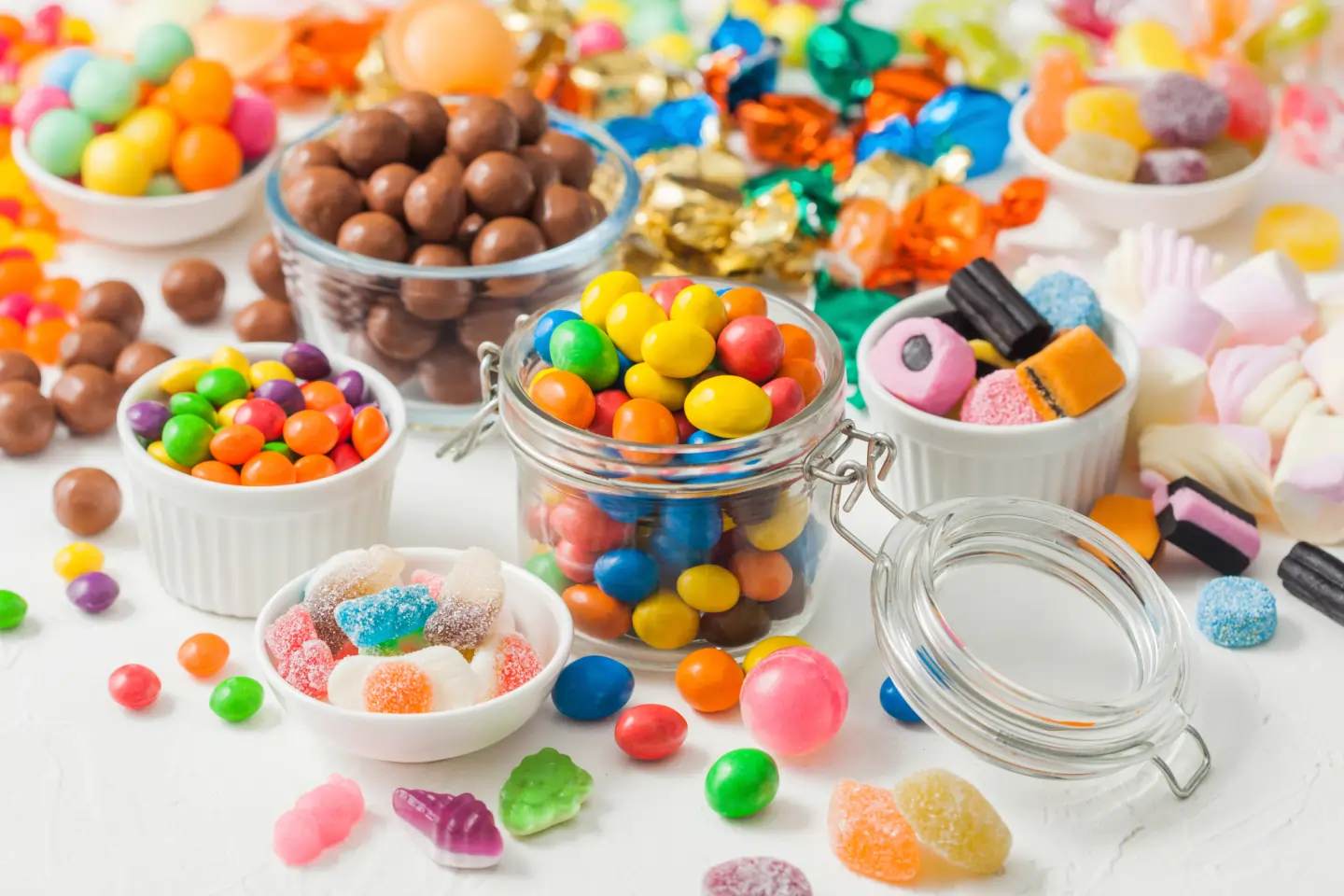
Sticky foods are among the biggest culprits when it comes to tooth decay. Items such as caramel, taffy, gummy candies, and even dried fruits can cling to the surfaces of teeth and settle into hard-to-reach areas.
These sugary residues provide a food source for bacteria that produce acid, increasing the likelihood of cavities.
Examples include:
- Caramel candies
- Gummy bears
- Taffy
- Fruit snacks
- Raisins and dried apricots
Unlike fresh fruit, dried fruit tends to stick to the teeth and contains concentrated natural sugars. Fresh fruits contain more water and are generally less likely to remain on tooth surfaces.
If you choose to eat sticky foods, rinse your mouth with water afterward and brush and floss thoroughly later in the day.
Sugary Foods and Drinks
Sugar is one of the leading contributors to tooth decay. Bacteria in the mouth feed on sugars and release acids that weaken tooth enamel.
Over time, this process can lead to cavities and, in severe cases, infections that may require more extensive treatments, including root canal therapy.
Common examples include:
- Soda
- Sports drinks
- Sweetened coffee beverages
- Candy
- Cakes and pastries
- Energy drinks
- Sweetened cereals
Many people are surprised to learn that ketchup, barbecue sauce, flavored yogurt, and salad dressings may also contain significant amounts of added sugar.
Because these are some of the foods that are not good for your teeth, reducing the frequency of consumption can be just as important as reducing the quantity consumed.
If you indulge in sugary treats:
- Drink water afterward.
- Avoid sipping sugary beverages throughout the day.
- Chew sugar-free gum to stimulate saliva production.
- Brush your teeth after waiting approximately 30 minutes.
Acidic Foods and Drinks
Acidic foods do not need to be eliminated from your diet, but frequent exposure can contribute to enamel erosion.
Common acidic foods and beverages include:
- Citrus fruits
- Lemon water
- Tomato sauces
- Wine
- Sports drinks
- Carbonated beverages
- Pickles
- Flavored teas
Many nutritious foods, including oranges and yogurt, offer health benefits despite their acidity. The key is moderation and limiting prolonged exposure.
After consuming acidic foods:
- Rinse with water.
- Avoid brushing immediately.
- Wait at least 30 minutes before brushing.
- Consume acidic foods with meals rather than frequent snacking.
These habits help minimize enamel wear while allowing you to enjoy a balanced diet.
Hard Foods
Hard foods can place excessive force on teeth, increasing the risk of fractures and damage to dental restorations.
Examples include:
- Ice cubes
- Hard candies
- Unpopped popcorn kernels
- Nuts cracked with the teeth
- Certain hard chips
People with crowns, veneers, fillings, or braces should exercise particular caution.
Repeated biting on hard substances may lead to:
- Chipped teeth
- Cracked enamel
- Broken fillings
- Damaged crowns
- Orthodontic emergencies
Choosing safer alternatives and avoiding chewing ice can help preserve your smile.
Starchy and Processed Snacks
Refined carbohydrates often receive less attention, but they can be particularly harmful to oral health.
Foods such as crackers, potato chips, white bread, and pretzels break down into simple sugars that feed oral bacteria. In addition, their texture allows them to become trapped between teeth.
These snacks may seem harmless, but they are among the foods that are not good for your teeth when consumed frequently without proper oral hygiene.
Whenever possible, choose healthier alternatives such as:
- Cheese
- Fresh vegetables
- Nuts (when appropriate)
- Plain yogurt
- Fresh fruit
If you're looking for more tooth-friendly alternatives that support oral health, incorporating nutrient-rich snacks into your daily routine can help protect your smile while satisfying cravings.
Foods That Can Irritate Sensitive Gums
Individuals with gum inflammation or periodontal concerns may notice discomfort after eating certain foods.
Common foods that irritate gums include:
- Spicy foods
- Highly acidic foods
- Sharp chips and crackers
- Very hot foods and beverages
- Excessively salty snacks
Although these foods do not directly cause gum disease, they may aggravate already sensitive gum tissues and increase discomfort.
If gum irritation persists, scheduling a dental evaluation is recommended.
What Is the Worst Type of Gum for Teeth?
Many patients wonder about the worst type of gum for teeth.
Sugar-containing chewing gum can contribute to cavity formation because it exposes teeth to prolonged contact with sugar. Sticky gums that adhere to dental restorations may also increase the risk of damage.
In contrast, sugar-free gum containing xylitol may help stimulate saliva production and support oral health after meals.
Choosing sugar-free options is generally the better choice for protecting your teeth.
Tips for Protecting Your Teeth
Even if you occasionally enjoy these foods, healthy habits can help minimize their impact.
Try these practical strategies:
- Brush twice daily using fluoride toothpaste.
- Floss every day.
- Drink plenty of water.
- Avoid frequent snacking.
- Visit your dentist regularly.
- Use a straw when consuming acidic beverages when appropriate.
- Choose nutritious snacks more often.
- Schedule professional cleanings as recommended.
Remember, moderation—not complete avoidance—is often the key to maintaining both a healthy diet and a healthy smile.
You do not have to eliminate every indulgence to maintain a healthy smile. However, understanding the effects of the worst food for your teeth, recognizing foods that irritate gums, and limiting foods that are not good for your teeth can help you make smarter dietary choices.
Combined with consistent brushing, flossing, and regular dental checkups, these habits can significantly reduce your risk of cavities, enamel erosion, and gum disease while supporting long-term oral health. If you have questions about how your diet may be affecting your teeth, the experienced dental professionals in San Jose at Varni Dental can provide personalized recommendations to help you maintain a healthy, confident smile.
Frequently Asked Questions on Worst Foods for Teeth
What is considered the worst food for your teeth?
Sticky candies and sugary beverages are often considered among the worst foods for your teeth because they provide fuel for bacteria and increase acid production. Their effects become more significant when consumed frequently throughout the day. Proper oral hygiene can help reduce their impact.
Are all acidic foods bad for oral health?
No. Many acidic foods, such as citrus fruits and yogurt, provide important nutrients. Problems typically arise with frequent exposure and poor oral hygiene habits. Rinsing with water and waiting before brushing can help protect enamel.
What are some foods that irritate gums?
Common foods that irritate gums include spicy dishes, acidic foods, sharp snacks, and very hot foods or beverages. These items may worsen discomfort if your gums are already inflamed. Persistent gum irritation should be evaluated by a dental professional.
What is the worst type of gum for teeth?
The worst type of gum for teeth is gum that contains sugar. Sugar feeds cavity-causing bacteria and may contribute to tooth decay over time. Sugar-free gum with xylitol is generally a more tooth-friendly alternative.
Can I still enjoy foods that are not good for your teeth?
Yes. Most foods that are not good for your teeth can be enjoyed occasionally as part of a balanced diet. Limiting frequency, practicing good oral hygiene, drinking water, and attending regular dental visits can help minimize their effects on your oral health.


