Same-Day Appointments Available

Food Good For Your Teeth
POSTED BY VARNI DENTAL ON SEP 2 2022, 1:20 AM
Your teeth are built to withstand biting and chewing most foods, but eating the wrong foods can cause them to break. The outer layer of your teeth, or the enamel, is the hardest substance in your body. However, the acid in foods and drinks can wear it down. Over time, your teeth can become weaker and more prone to damage.
Food Good For Your Teeth
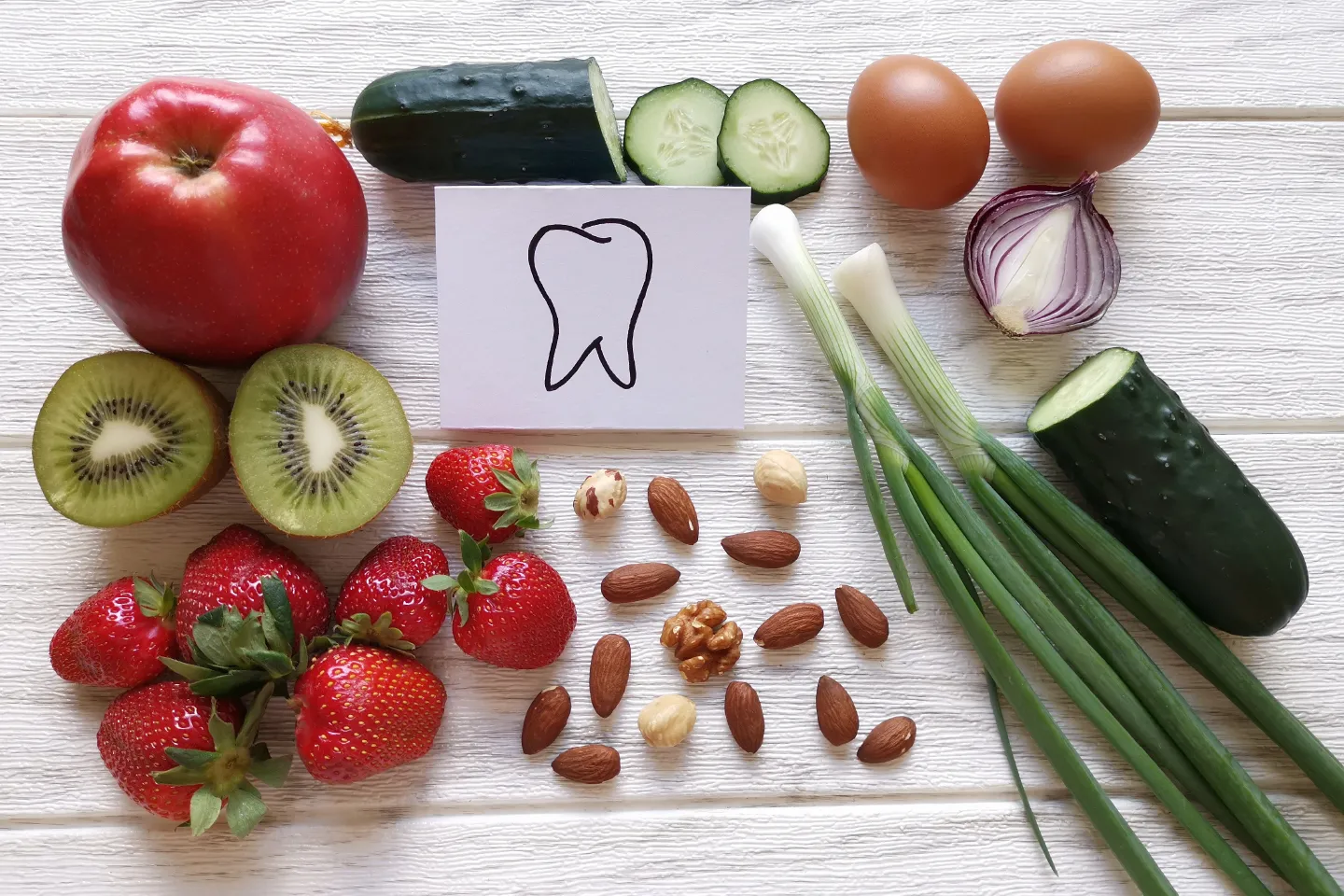
Eating a variety of nutritious foods is important for overall health. It’s also good for your teeth! As per our dentist, here is some food that you should include in your diet:
Cheese
Cheese is an acidic food, and acids can cause tooth enamel to erode. However, cheese and other dairy products are high in calcium, which helps strengthen teeth. Eating cheese in moderation, along with other healthy foods, can be beneficial for your oral health.
Milk
Most milk products are beneficial for your teeth. Calcium and vitamin D, found in most dairy products, help strengthen your bones and teeth. Milk is also good for your teeth because it’s high in phosphorus, which helps to prevent tooth decay by hardening your tooth enamel.
Celery
Celery is not bad for your teeth. Its fibrous texture can scrape away plaque and food particles. It also helps to reduce acidity in your mouth. Celery contains vitamins C, A, and K. Vitamin C and A are both antioxidants, and they work together to help fight infection. Vitamin K is part of a group of compounds called quinones. Bacteria cannot live in the presence of quinones, so your gums are better protected from infection.
Carrots
Fresh or cooked carrots are an excellent source of Vitamin A, which helps keep tooth enamel strong and fights plaque. Vitamin A also helps regenerate soft tissue in the mouth. Carrots also have fiber, which is essential for healthy digestion. Raw carrots are also high in fiber, which helps fight plaque.
Almonds
While almonds aren’t necessarily as crunchy as some of the other foods on this list, they still do a good job of scrubbing away food particles. They’re also high in calcium, which is important for tooth enamel.
Popcorn
Popcorn is a delicious and healthy snack, and it’s easy to chew, so it’s great for people with dentures. If you eat popcorn in moderation, it won’t damage your dentures. However, if you eat popcorn every night, your dentures may become worn down. So the next time you go to the movie theater, enjoy a small popcorn and water.
Sesame Seeds
Sesame seeds are a good source of calcium and magnesium, which are both good for your teeth. Sesame seeds are also thought to help lower inflammation, which is sometimes linked to gum disease. Sesame seeds are a good source of fiber, which helps keep your gums healthy. They’re also rich in protein, B vitamins, and antioxidants. They can be sprinkled over a salad or soup or mixed into hummus or cereal.
Tangerines
Tangerines are a great source of Vitamin C, which is essential for a healthy immune system. Vitamin C is also great for your gums, as it helps them recover from inflammation. Eating a tangerine or drinking a glass of tangerine juice a day can help to prevent gum disease.
Green Beans
Green beans are one of the healthiest foods for your teeth. They’re high in vitamin A, which helps to keep the soft tissues of your mouth healthy. This vitamin also encourages saliva production, which neutralizes acid and washes away bacteria. Green beans also contain vitamin C, which strengthens gum tissue.
Oatmeal
Oatmeal is high in calcium and magnesium. These minerals help to remineralize your enamel. This can help to strengthen your enamel and help with tooth decay. The starches in oatmeal may also benefit your teeth and gums. They can help clean your teeth up and remove food particles. Just make sure that you brush and floss after eating. Avoid eating too many sugary foods with oatmeal, as this can damage your enamel. Call us to learn more.
A question we get asked a lot: is oatmeal actually acidic enough to hurt enamel? Not really. Plain oats sit close to neutral on the pH scale, nowhere near as acidic as citrus or soda, so oatmeal on its own isn't the enamel-eroding food some people assume it is. Cooked oatmeal is soft and a little sticky, though, and that texture can cling to teeth and gumlines longer than you'd expect, which is where the "does oatmeal cause cavities" worry actually comes from. It's not the oats. It's the brown sugar, dried fruit, or flavored syrup most people stir in, and the fact that the mixture sits on your teeth a bit longer than a bowl of cereal would. Plain oatmeal, eaten in moderation, is still a reasonable breakfast choice for your teeth. See the ADA's overview of how dietary acids affect your teeth for more on which foods actually erode enamel.
Eggs
Eggs contain vitamin D, calcium, and phosphorus. Eating eggs in the morning can help teeth form enamel and use minerals. Eating eggs for breakfast can help strengthen teeth and prevent tooth decay. Your dentist in San Jose, CA may recommend that you eat hard-boiled eggs or eggs in sticky or sweet sauces such as pasta sauce. Sticky foods stick to teeth and can cause tooth decay.
Seafood
Seafood is great for your teeth because it contains phosphorus and calcium, which help strengthen tooth enamel. The phosphorus in seafood also helps with gum disease. The protein in seafood also helps repair tooth enamel, as well as prevent cavities.
So what's the best breakfast for your teeth, if you're putting it all together? Plain oatmeal with milk, a couple of eggs, or some combination of the two, covers calcium, phosphorus, and vitamin D without anything acidic or sugary enough to worry about. Swap the flavored oatmeal packet and the orange juice for plain oats and water or milk, and you've already made the single biggest change that matters here.
How Food Affects Your Teeth
The foods you consume play a significant role in your overall dental health. Certain foods can contribute to tooth decay, erosion, and gum disease, while others can help strengthen and protect your teeth. Sugary foods and drinks, for example, feed the bacteria in your mouth, producing acids that attack tooth enamel and lead to cavities. Acidic foods and beverages, such as citrus fruits and sodas, can erode enamel over time, making teeth more susceptible to decay. Conversely, foods rich in calcium and phosphorus, like dairy products and leafy greens, can help rebuild and strengthen tooth enamel. Understanding the impact of different foods on your teeth is essential for maintaining a healthy smile. Call us to learn more.
Benefits You Get When You Eat Good Foods
Eating a balanced diet that includes a variety of nutrient-rich foods has numerous benefits for your dental health:
- Strengthened Enamel: Foods high in calcium and phosphorus, such as cheese, milk, and yogurt, help reinforce tooth enamel and protect against decay.
- Increased Saliva Production: Crunchy fruits and vegetables, like apples and carrots, stimulate saliva flow, which naturally cleanses the mouth and neutralizes harmful acids.
- Healthy Gums: Foods rich in vitamin C, such as strawberries and bell peppers, support gum health by promoting collagen production and reducing inflammation.
- Reduced Risk of Cavities: Limiting sugary snacks and beverages decreases the food supply for cavity-causing bacteria, reducing the risk of tooth decay.
- Overall Oral Health: A diet that includes a variety of vitamins and minerals supports overall oral health, reducing the likelihood of gum disease and other dental issues.
Foods to Avoid for Better Dental Health
To maintain optimal dental health, it’s important to limit or avoid certain foods and drinks that can harm your teeth:
- Sugary Snacks and Beverages: Candies, cookies, sodas, and sports drinks are high in sugar, which feeds harmful bacteria in your mouth and leads to cavities.
- Acidic Foods and Drinks: Citrus fruits, tomatoes, and carbonated drinks can erode tooth enamel, increasing the risk of decay and sensitivity.
- Sticky Foods: Foods like caramel, dried fruits, and gummy candies can cling to teeth, providing a prolonged food source for bacteria and increasing the risk of cavities.
- Starchy Foods: Foods such as chips, bread, and pasta can break down into sugars in your mouth, contributing to tooth decay.
- Hard Foods: Ice, hard candies, and popcorn kernels can crack or chip teeth, leading to dental emergencies.
Visit Varni Dental for Expert Dental Care
At Varni Dental, we are dedicated to helping you achieve and maintain a healthy, beautiful smile. Our expert team provides comprehensive dental care tailored to your individual needs. Whether you need routine cleanings, advanced restorative treatments, or dietary advice for optimal oral health, we are here to support you. Our team prioritize your comfort and well-being, ensuring a positive and stress-free dental experience. Contact us today to schedule an appointment and take the first step towards a lifetime of excellent dental health.
FAQs on Food and Your Teeth
Is oatmeal acidic for your teeth?
Not really. Plain oats are close to neutral on the pH scale, nowhere near citrus or soda. The acidity worry usually traces back to what's mixed into the bowl, not the oats themselves.
Does oatmeal cause cavities?
Oatmeal itself doesn't cause cavities. It's soft and a little sticky when cooked, so it can cling to teeth longer than a dry cereal would, especially sweetened instant packets. Brushing or rinsing after breakfast takes care of it.
Is oatmeal good or bad for tooth enamel?
Plain oatmeal leans good. It supplies calcium and magnesium, and it's not acidic enough to wear enamel down on its own. Sweetened or flavored versions shift that balance the wrong way.
What's the best breakfast for your teeth?
Plain oatmeal with milk, a couple of eggs, or a mix of both covers calcium, phosphorus, and vitamin D without much acid or added sugar to worry about.


