Same-Day Appointments Available

Dental Crown Fell Off? What to Do Before Your Appointment
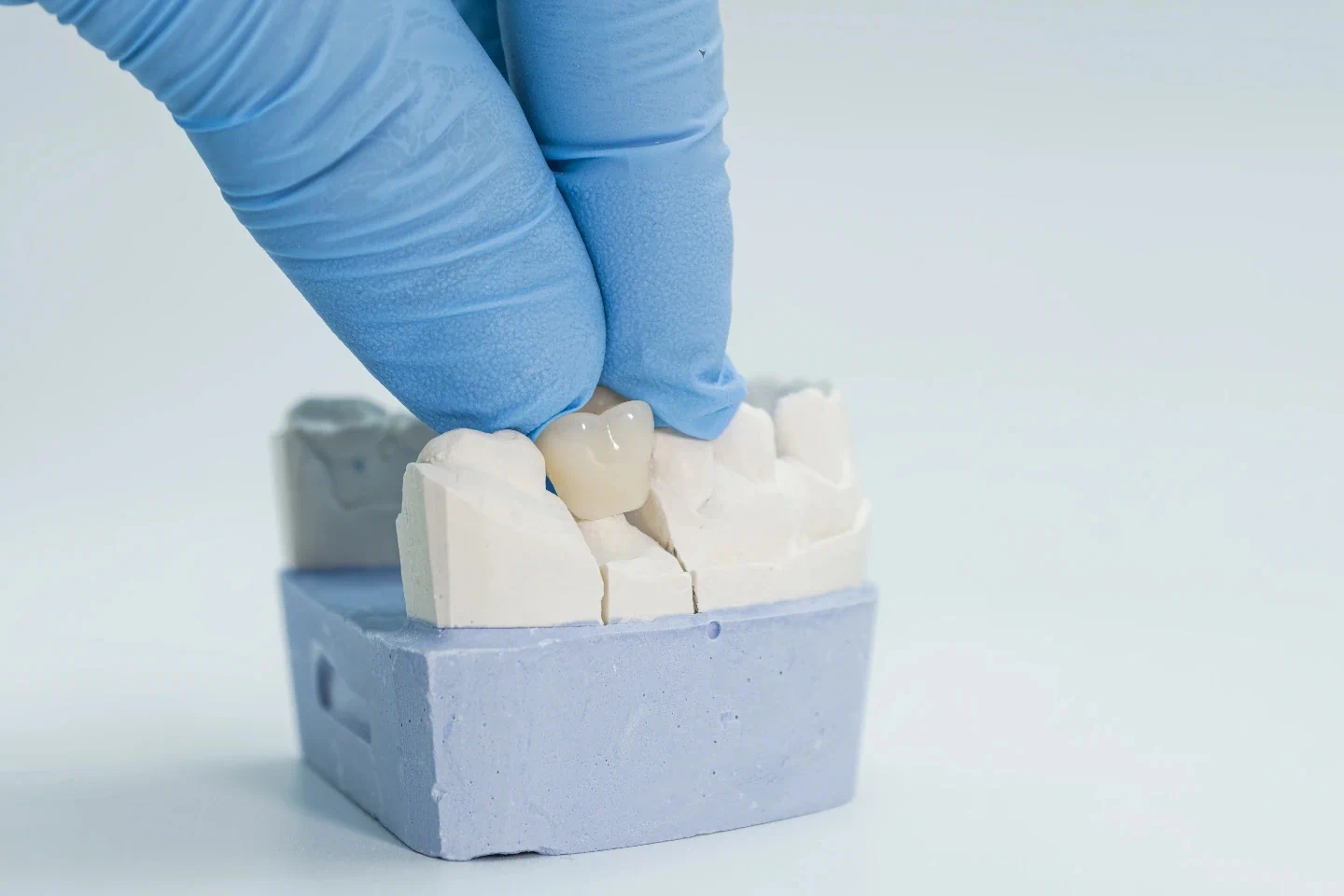
A dental crown protects a damaged or weakened tooth, restores its shape, and helps you chew comfortably. Crowns can still come loose or fall off because of worn dental cement, decay under the crown, heavy biting pressure, or damage to the tooth underneath.
If your crown has come off, you probably have a few questions right now. Should you try to put it back yourself? Can you eat normally? Is it an emergency?
A fallen crown does not always mean the tooth is beyond repair. The key is to protect the exposed tooth and get it seen quickly. At Varni Dental in San Jose, we examine the tooth, check what is happening underneath, and let you know whether your existing crown can be recemented or a replacement is the better option. Same-day appointments are available, so call us as soon as you notice the problem.
Why Did My Dental Crown Fall Off?
Crowns are held in place with dental cement. They are made to last for years, but a few things can break that bond.
- Worn dental cement: The cement can weaken over time, and the crown slowly loosens.
- Tooth decay: A cavity forming under the crown edge changes how the crown fits and can push it loose.
- Hard or sticky foods: Ice, hard candy, caramel, and chewy foods put extra strain on the crown.
- Teeth grinding: Constant pressure from grinding or clenching can wear down the cement and the crown itself.
- A damaged tooth underneath: If the remaining tooth cracks or breaks, the crown has nothing solid to hold on to.
- A poor fit: A crown that never sat perfectly against the tooth is more likely to come loose.
Finding the cause matters. Simply putting the crown back without fixing the reason it came off often leads to the same problem again.
What Should You Do If Your Dental Crown Falls Off?
These steps help protect the exposed tooth until you can be seen.
1. Find and Save the Crown
Pick up the crown and rinse it gently with lukewarm water. Do not scrub it or use household cleaners. Dry it, place it in a small clean container or a sealed bag, and bring it with you. If the crown and tooth are in good condition, your dentist may be able to reuse it.
2. Keep the Tooth Clean
The tooth underneath can be sensitive to temperature, pressure, and food. Keep brushing, but use a soft-bristled toothbrush and go gently around the area. Rinsing with warm salt water (about half a teaspoon of salt in a glass of warm water) helps keep it clean and calms irritated gums.
3. Avoid Chewing on That Side
Without its covering, the prepared tooth is much easier to chip or crack. Until your visit:
- Chew on the other side of your mouth.
- Avoid nuts, ice, and hard candy.
- Skip sticky foods like caramel and chewing gum.
- Stick to soft foods such as eggs, soup, yogurt, and mashed potatoes.
- Go easy on very hot or very cold foods and drinks if the tooth is sensitive.
4. Protect the Exposed Tooth
A pharmacy sells temporary dental cement and dental wax. Temporary cement can cover a sensitive tooth, and wax can cover a sharp edge that irritates your tongue or cheek. Follow the package instructions carefully.
Never use superglue or any household adhesive to reattach a crown. These products are not safe for your mouth, can damage the tooth, and make professional repair harder.
5. Manage Any Discomfort
If the tooth is sore, an over-the-counter pain reliever taken as directed on the label can help. Check with your doctor or pharmacist first if you have any health conditions or take other medication.
6. Contact Your Dentist Promptly
Call as soon as you can, even if nothing hurts. An uncovered tooth is open to sensitivity, bacteria, and further damage. If you notice severe pain, facial swelling, fever, or signs of infection, treat it as a dental emergency and seek urgent care.
Can I Put My Dental Crown Back On Myself?
It is tempting to slip the crown back over the tooth, especially if it looks fine. Some patients use temporary dental cement from a pharmacy as a short-term cover, but only if the crown seats fully and comfortably. Never force it into place, and do not treat it as a permanent fix.
A dentist needs to check both the crown and the tooth underneath. If the tooth has decay, a crack, or other damage, recementing the crown alone will not solve the problem.
What If the Crown Came Off With Part of the Tooth Attached?
Sometimes the crown comes off with a piece of tooth stuck inside it. This usually means the tooth underneath was weakened or fractured, so it should be looked at the same day if possible. Save the crown and any fragments, avoid chewing on that side, and call the office. A crown can often be repaired or replaced, but the tooth structure behind it needs a proper assessment first.
What If You Swallowed the Crown?
It is a common worry, and in most cases a swallowed crown passes through the digestive system without trouble. You do not need to retrieve it, because a new one can be made. Call your doctor if you have chest or abdominal pain, trouble breathing, or any chance the crown went into your airway. Then call your dentist so the tooth can be protected and treated.
What If a Temporary Crown Falls Off?
Temporary crowns are held on with weaker cement so they are easier to remove later, which means they can come off more easily. If yours falls off before your permanent crown is ready, keep it safe, avoid chewing on that side, and call us. We can usually recement it quickly so the tooth stays protected. You can read more about the differences between temporary and permanent crowns if you want to know what to expect.
Is a Lost Crown a Dental Emergency?
A lost crown is not always an emergency, but it should never be left alone. It usually helps to think in two groups.
You can usually wait a short time if:
- The tooth feels comfortable or only mildly sensitive.
- There are no sharp edges cutting your tongue or cheek.
- You have no swelling, fever, or bad taste in your mouth.
Call right away if:
- You have severe or throbbing pain.
- Your face, gums, or jaw is swollen.
- You have a fever or see pus.
- Part of the tooth broke off with the crown.
- A broken edge is cutting your tongue or cheek.
Even without pain, pain is not a reliable guide to what is happening under the crown. Book an appointment.
Does a Fallen Dental Crown Cause Pain?
Not always. Some people feel nothing, while others notice discomfort right away. It depends on the condition of the tooth underneath. Common symptoms include:
- Sensitivity to hot and cold
- Discomfort when biting or chewing
- Sharp edges irritating the tongue or cheek
- Soreness around the tooth or gum
- Food catching around the exposed tooth
If decay or infection has developed, you may also have lingering pain, swelling, or tenderness. Whether it hurts or not, the tooth should be examined.
What Happens at the Dental Appointment After a Crown Falls Off?
Your dentist will first examine the exposed tooth and the crown. We may take digital X-rays to check for decay, fractures, or other problems that are not visible from the outside. Depending on what we find, treatment may include one of the following.
Recementing the Original Crown
If the crown is intact and the tooth is healthy, your dentist can clean both surfaces and cement the crown back securely.
Replacing the Crown
If the crown is cracked, worn, or no longer fits well, a new crown is the better choice. Varni Dental offers same-day crowns designed and milled in the office, which can mean no temporary crown and no second visit. Whether a same-day crown suits your tooth depends on the exam.
Treating Decay
If decay has developed under the crown, the affected part of the tooth has to be cleaned out before the right restoration is chosen. Our guide on the signs a crown needs to be replaced covers other warning signs to watch for.
Root Canal Treatment
If bacteria have reached the pulp and caused an infection, root canal treatment may be needed to clear the infection and save the tooth before a crown goes back on.
We will explain what we find and walk you through the options before any treatment begins.
How Long Can You Wait After a Crown Falls Off?
Ideally, call the same day and book the earliest appointment available. Some people feel fine for a few days, but waiting longer exposes the tooth to:
- More sensitivity
- Food and bacteria collecting around the tooth
- Chips or fractures in the remaining tooth structure
- New or advancing decay
- A tooth that is harder to restore later
If you cannot be seen straight away, follow the protection tips above until your visit.
Why Does My Crown Keep Falling Off?
If the same crown has come off more than once, something underneath is usually not holding up. Common reasons are not enough healthy tooth left to grip the crown, decay at the edge, a bite that puts too much force on that tooth, or a crown that does not fit snugly. Another round of cement rarely fixes this. We look for the cause first, then decide whether the tooth needs rebuilding, the bite needs adjusting, or a new crown is the better route.
How Can You Keep a Crown From Falling Off Again?
Crowns handle normal chewing well, and a few habits help them last.
- Brush twice a day and floss carefully around the crown: This keeps plaque from building up at the edges.
- Do not chew ice or hard objects: Hard candy and ice are common causes of loose crowns.
- Protect against grinding: If you clench or grind, a custom nightguard can protect your crown and your other teeth.
- Keep up with regular checkups: Routine exams catch loose crowns and early decay before they become bigger problems.
- Never use your teeth as tools: Opening packages or biting thread can loosen a crown.
Why Choose Varni Dental for Dental Crown Problems?
A crown coming off is unexpected and often uncomfortable. At Varni Dental in San Jose, we focus on finding out why it happened and helping you understand your options. Our team will:
- Check the condition of your existing crown
- Look for decay or damage under the restoration
- Recommend the right treatment for the tooth
- Explain the procedure and estimated costs
- Restore the tooth so it is protected and working properly
Get Help for a Fallen Dental Crown at Varni Dental
A crown that falls off does not always mean you need a brand-new one. Often the original can go back on if it and the tooth are in good shape. Waiting too long, though, raises the risk of sensitivity, decay, and further damage.
Whether you need your crown recemented, replaced, or treated for something underneath, our team in San Jose can help. Contact Varni Dental today to book an appointment, or call (408) 901-0101.
Frequently Asked Questions If a Crown Falls Off
Is it a dental emergency if my crown falls off?
A fallen crown needs prompt attention even without pain, but it is not always an emergency. Severe pain, swelling, fever, or signs of infection need urgent care.
Can I eat if my dental crown falls off?
Yes, but chew on the other side and stick to soft foods. Avoid hard, sticky, very hot, or very cold foods until the tooth has been checked.
Can a dentist put my old crown back on?
Yes, if the crown is undamaged and the tooth underneath is healthy. If the crown is damaged or the tooth has decay, you may need more treatment.
Why did my crown fall off if there is no pain?
Worn cement or small changes in the tooth can loosen a crown without any discomfort. The exposed tooth still needs to be examined.
What should I do if I swallowed my crown?
It usually passes without problems and does not need to be retrieved. See a doctor if you have chest or abdominal pain or trouble breathing, and call your dentist so the tooth can be protected.
What if my temporary crown falls off?
Keep it safe and call the office. A temporary crown can usually be recemented quickly to protect the tooth until the permanent crown is ready.
How much does it cost to replace a dental crown?
The cost depends on the material, the condition of the tooth, and any extra treatment needed. We accept PPO plans, file claims for you, and can provide an estimate after examining your tooth.


