Same-Day Appointments Available

What Causes Tooth Stains and How Teeth Whitening Can Help
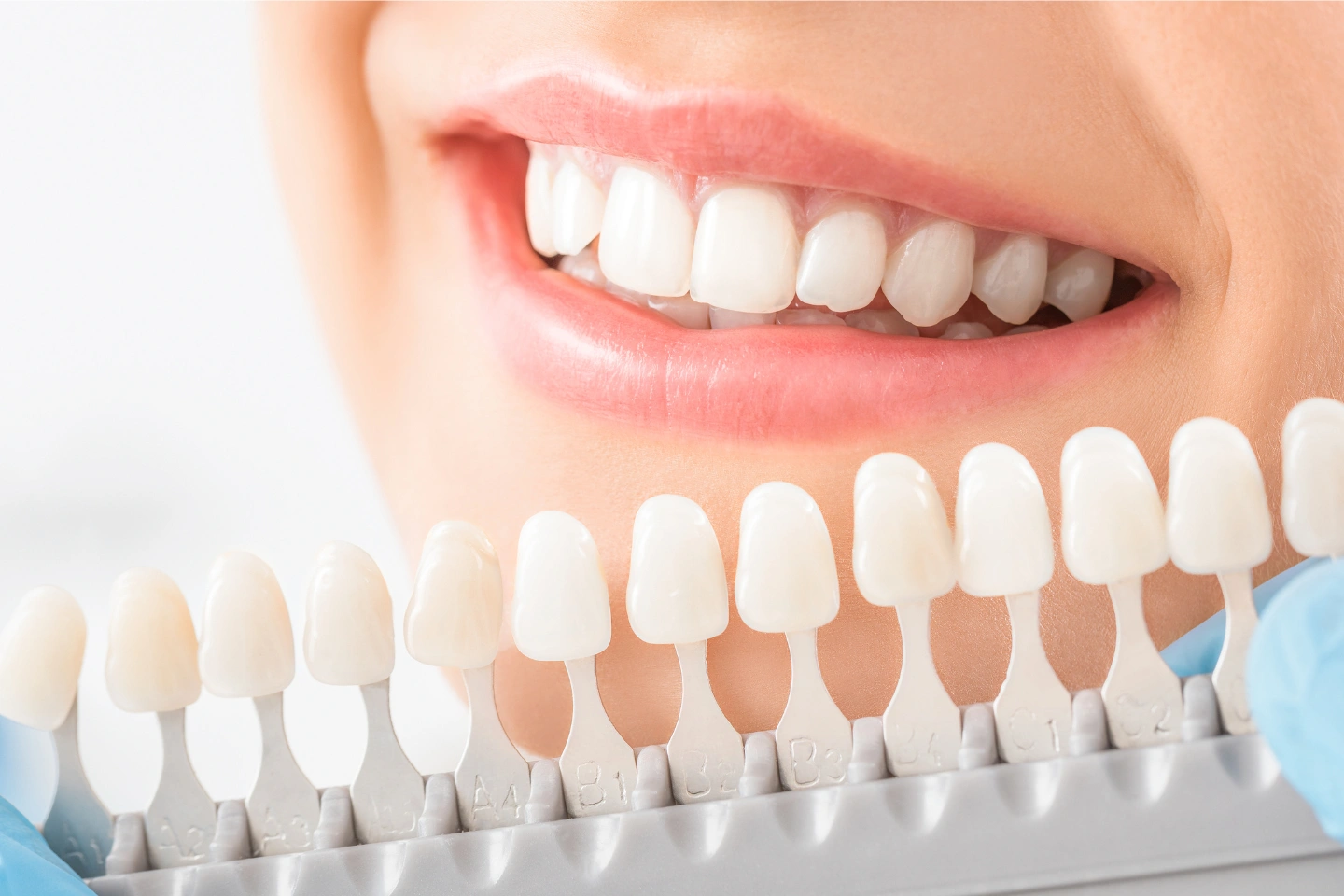
Your teeth don’t turn yellow overnight. Tooth stains build up slowly due to daily habits, aging, and hidden factors.
So, why are your teeth losing their natural whiteness? It often comes down to things like coffee, tea, smoking, poor oral hygiene, or even medications. These stains can form on the surface or deep inside your teeth, making them harder to remove over time.
In such cases, teeth whitening helps by breaking down stain particles and improving the overall brightness of your smile.
So, if you’re dealing with dull or discolored teeth, understanding the cause is the first step.
This guide will help you understand what causes tooth stains and how teeth whitening can effectively improve your smile.
What Are Tooth Stains?
Tooth stains are simply changes in the natural color of your teeth. Instead of looking bright and white, your teeth may appear yellow, dull, brown, or spotted.
Around 50% of people notice tooth discoloration at some point, so yes, it’s very common.
There are basically 3 types of tooth stains, such as:
- Extrinsic stains: These sit on the outer layer (enamel). They come from everyday exposure and are usually easier to remove.
- Intrinsic stains: These form inside the tooth (dentin). They’re deeper and harder to treat.
- Age-related stains: It’s a mix of both. Over time, enamel wears down and stains build up together.
If the stain is on the surface, it is easier to fix. If it is inside the tooth, it needs stronger treatment.
That is the core idea. You just need to identify where the stain is coming from.
What Causes Tooth Stains?
Tooth stains don’t just appear overnight. They build up over time due to a mix of your daily habits, natural changes, and sometimes factors you can’t fully control.
Let’s break down the real reasons your teeth lose their brightness.
1. Lifestyle Factors (The Everyday Culprits)
Most tooth stains come from what you do every day. Yes, your daily habits matter more than you think.
If you drink coffee, tea, or soft drinks, those dark pigments stick to your enamel and slowly leave stains behind.
Over time, this buildup makes your teeth look yellow or dull.
Smoking is another big one. Nicotine and tar settle into tiny pores in your teeth, causing deep yellow or brown stains that are hard to remove. In fact, Studies show about 62.7% of smokers experience tooth discoloration, compared to 35.5% of non-smokers.
And then there’s poor oral hygiene. If you skip brushing or flossing, plaque builds up. That sticky layer traps stains and makes discoloration worse. Regular professional care like dental cleanings and checkups can help remove this buildup before it turns into stubborn stains.
So basically, your teeth reflect your habits. What you consume and how you care for your teeth directly decides how white or stained they look.
2. Natural Causes (Things You Can’t Fully Control)
Some tooth stains happen even when you’re doing everything right. That’s because your body naturally changes over time.
First, aging plays a big role. As you grow older, your enamel (the white outer layer) slowly wears down. When that happens, the inner layer called dentin starts to show through. It has a natural yellow tone.
Second, there’s genetics. Just like your eye or hair color, your tooth shade is partly inherited. Some people naturally have:
- Thinner enamel
- Darker dentin
This can make teeth look more yellow, even if they’re completely healthy
So if your teeth aren’t perfectly white, it doesn’t always mean something is wrong.
3. Medical and Internal Factors (Deeper Causes)
Some stains don’t come from what you eat. They form inside your teeth, and that makes them harder to remove.
One major cause is medications. For example, antibiotics like tetracycline can bind to your tooth structure during development. This can lead to permanent discoloration.
Another common factor is excess fluoride during childhood. This condition, called fluorosis, creates white, brown, or patchy stains deep in the enamel. In fact, about 23% of people are affected by dental fluorosis in some populations.
You also have tooth injury or trauma. When a tooth is damaged, it can darken from the inside due to changes in blood flow or nerve health.
Here’s the key idea:
- External stains sit on the surface
- Internal stains develop within the tooth structure
That’s why regular brushing won’t fix them. You usually need professional whitening or dental treatment to see real results.
4. Diet & Environmental Habits (Slow, Hidden Damage)
This is where staining happens quietly over time, and most people don’t even notice it.
When you frequently consume acidic foods or drinks (like citrus, soda, or juices), they slowly weaken your enamel, the protective outer layer of your teeth. Once enamel becomes thinner or rough, it absorbs stains more easily.
Now add foods with strong color (like berries or sauces). These contain pigments and tannins that stick to your teeth, especially when enamel is already weakened.
There’s another layer to this: If plaque isn’t cleaned properly, it hardens into tartar, which acts like a rough surface that holds stains more tightly. Learning the signs you need a dental cleaning session can help you prevent this buildup before it worsens discoloration.
In simple terms: Acid weakens your teeth > pigments stick faster > stains build up gradually.
That’s why even “healthy” habits (like fruit juices) can still lead to discoloration if they’re frequent and unmanaged.
How Teeth Whitening Works?
Teeth whitening works by using bleaching agents like hydrogen peroxide or carbamide peroxide. These ingredients sink into the outer layer of your teeth and break apart the dark stain molecules, called chromogens.
Once those molecules are broken into smaller pieces, your teeth look lighter and brighter.
Whitening does not “paint” your teeth white. It lifts stain color from inside the tooth structure, which is why it can work better than regular brushing alone.
Whitening toothpaste is different, though. It mostly removes surface stains through mild abrasives, while peroxide-based whitening actually changes the color of deeper stains.
You usually have two options:
- At-home whitening
- Professional teeth whitening
At-home products can work well, but they need more time because they use lower peroxide levels. A 2023 review found that take-home whitening achieved strong results, but needed 14 to 280 times longer treatment duration than in-office whitening.
So yes, both can help, but the faster route is usually the dentist’s chair. If you’re curious about modern techniques and safety, you can explore more about teeth whitening: what works and what to avoid to understand which options are best for your situation.
What Are the Benefits of Teeth Whitening
Teeth whitening improves your smile’s brightness, boosts confidence, enhances first impressions, and encourages better oral care habits. It’s one of the fastest and most noticeable ways to upgrade your appearance without invasive treatment.
Let’s break it down.
1. A Brighter Smile That Makes You Look Younger
Over time, your teeth naturally lose their brightness. Coffee, tea, and aging slowly make them look dull.
Teeth whitening reverses that effect. It brings back that clean, bright look. It almost feels like turning back the clock on your smile.
As a result, you look fresher, healthier, and more vibrant without doing anything drastic.
2. A Real Confidence Boost (Not Just a Feeling)
This is one of the biggest benefits. It is also backed by data.
- Around 85% of people report increased confidence after teeth whitening
- Whitening can also reduce negative emotions and improve social interactions
Think about it. If you are not worried about stained teeth, you will naturally smile more, speak more freely, and feel less self-conscious.
That confidence shows up everywhere. In conversations, photos, interviews, and even daily interactions.
3. Better First Impressions (Yes, People Notice)
People with whiter teeth are often perceived as more professional, trustworthy, and confident. A consistent routine supported by family dentistry services ensures long-term oral health and helps prevent stains from returning quickly.
Your smile is often the first thing people notice, so the impression it creates can shape how others perceive you right away.
A brighter smile can quietly improve how others respond to you. This applies both socially and professionally.
4. Encourages Better Oral Care Habits
This benefit is often overlooked. After whitening, most people do not want to ruin their results. So they naturally start:
- Brushing more regularly
- Avoiding stain-causing foods
- Taking dental care more seriously
It creates a positive cycle. Better habits lead to cleaner teeth. Cleaner teeth help maintain results longer.
5. Quick, Noticeable Results
Unlike many health or cosmetic changes, teeth whitening delivers fast results.
Professional treatments can improve your smile in just one session. Even at-home options show visible changes within weeks
That instant improvement is powerful because you see the difference right away. This keeps you motivated.
6. Improves Overall Well-Being
This might surprise you, but whitening can impact more than just your teeth.
Research shows it can:
- Improve self-image and mood
- Enhance social comfort
- Increase overall life satisfaction
This happens because feeling good about your smile makes you more comfortable in social situations, helping you engage more openly and confidently with the world.
Limitations and Considerations
Teeth whitening isn’t a magic fix for everything. Here’s what you need to know before jumping in:
- It doesn’t work on all stains: If your stains are deep (inside the tooth), whitening may only lighten them slightly or not at all. These are called intrinsic stains, and they’re harder to treat.
- Results vary from person to person: Your enamel thickness, stain type, and habits all matter. So don’t expect the exact same results as someone else.
- You might feel temporary sensitivity: Ever felt a sharp twinge after something cold? Whitening can cause that too. It usually fades, but it can be uncomfortable for a few days.
- Gum irritation can happen: If the product touches your gums, especially with DIY kits, you might notice irritation or soreness.
- It’s not permanent: Drink coffee? Love tea? Then stains can come back. Whitening needs maintenance and good habits to last.
- Not suitable for unhealthy teeth: Got cavities or gum issues? Whitening should wait. Treat those first, or you risk worsening the problem.
Whitening works great, but only when you know its limits and use it wisely. For example, if you’re undergoing treatments like aligners, you may wonder do clear braces stain, which can also impact how your smile looks during treatment.
Ready to Brighten Your Smile? Start Today
In the end, tooth stains are pretty common, and honestly they can happen to anyone. From your daily coffee to natural aging, there are plenty of reasons your teeth might lose their brightness.
The good news is that you're not stuck with them.
With the right whitening approach, you can restore a cleaner, brighter smile without much hassle. Just remember, not every stain is the same, so choosing the right method makes all the difference. Regular care and understanding the importance of routine dental cleaning can go a long way in maintaining long-term results.
So, what’s your next step? Start by being mindful of what causes stains, and take simple steps to care for your teeth daily.
When needed, don’t hesitate to explore whitening options, because a healthier-looking smile is totally within your reach.
Frequently Asked Questions on Tooth Stains
1. Why do some people get stains faster than others?
Some people naturally have thinner enamel, which makes stains more visible. Your diet, smoking habits, and oral care routine also play a big role in how quickly stains develop.
2. Can brushing alone remove tooth stains completely?
Brushing helps remove surface buildup, but it cannot fully remove deeper stains. Extrinsic stains may fade slightly, but stubborn or internal discoloration usually needs whitening treatments or professional cleaning.
3. Is teeth whitening safe for regular use?
Teeth whitening is generally safe when used as directed. Most treatments use controlled bleaching agents, but overuse can cause sensitivity or gum irritation. Following instructions or consulting a dentist keeps it safe.
4. Why doesn’t whitening work on all types of stains?
Whitening works best on surface stains. Deep stains inside the tooth are harder to treat because they sit in the dentin layer, so they may need stronger treatments or cosmetic options.
5. How long do teeth whitening results usually last?
Results can last from a few months to a couple of years, depending on your habits. Drinking coffee, smoking, or poor oral care can cause stains to return faster over time.


