Same-Day Appointments Available

How to Stop Throbbing Pain After Root Canal for Fast Relief
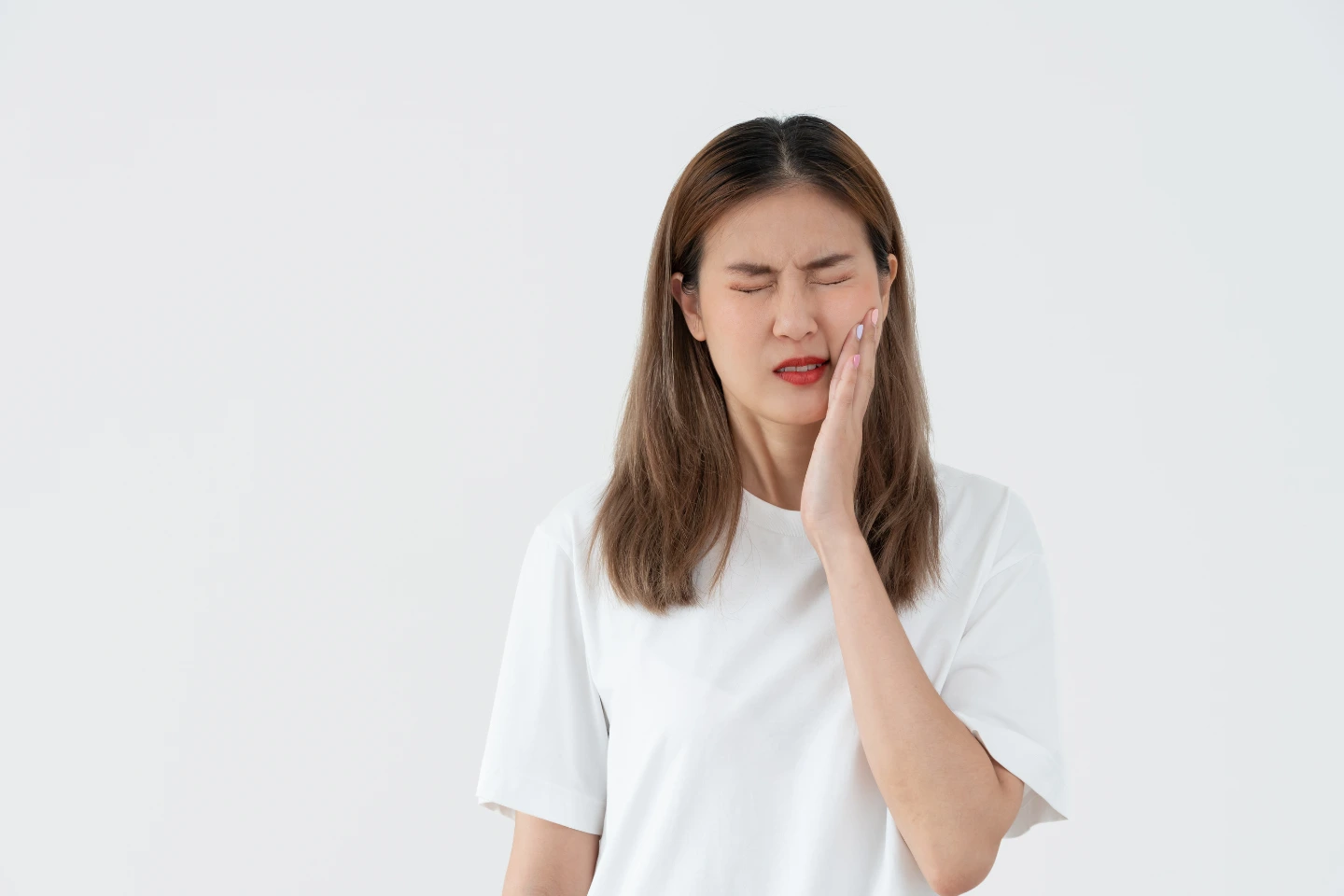
If you’ve just left the endodontist’s chair and are wondering why your tooth feels like it has its own heartbeat, you aren’t alone. While a root canal is designed to eliminate pain by removing infected pulp, the procedure itself involves deep cleaning of the tooth’s internal structure. This can leave the surrounding ligaments and bone irritated.
Key Takeaways for Instant Relief from Throbbing Pain
- The MVP Combo: Take 400–600mg of Ibuprofen (Advil/Motrin) with food every 6 hours. It targets the ligament swelling that causes throbbing.
- The "Head-Up" Rule: Keep your head elevated above your heart when resting to prevent blood pressure from pulsing against the inflamed tooth.
- Cold Therapy: Apply an ice pack to your cheek for 15 minutes on, 15 minutes off during the first 24 hours.
- Saltwater Rinse: Dissolve ½ teaspoon of salt in warm water; it acts as a natural disinfectant and reduces gum swelling.
- The Timeline: Mild to moderate throbbing is normal for 24–48 hours. If pain increases after day 3, call your dentist.
Why Do I Have Throbbing Pain After a Root Canal?
Before we stop the pain, we need to understand what it is. Root canal pain is typically not coming from the tooth itself (since the nerve is gone), but from the periodontal ligaments—the fibers that anchor your tooth to the bone.
What is Post-Endodontic Inflammation?
Post-endodontic inflammation is a natural immune response where the body sends extra blood and white blood cells to the periradicular tissues (the area around the root tip) to heal trauma or irritation caused during the cleaning process.
According to a 2026 clinical trial published in PMC, postoperative pain is a common biological reaction to the "mechanical irritation" of the tissues surrounding the tooth during instrumentation (Evaluation of postoperative pain after endodontic treatment in molars, 2026). In simple terms: your jaw is bruised on the inside.
Patients who are nervous about the procedure often come across several common beliefs about endodontic treatment online, but understanding what causes temporary discomfort can make recovery much less stressful.
Step-by-Step: How to Stop Throbbing Pain After Root Canal
1. Use the "Anti-Inflammatory Protocol"
The throb you feel is your blood pressure pulsing against swollen tissue. To stop this, you must reduce the swelling.
- Ibuprofen is your best friend: Unlike Tylenol, which only blocks pain signals, Ibuprofen (NSAID) actually shrinks the inflammation in the ligament.
- The Dual-Action Method: If Ibuprofen isn't enough, many dentists suggest "stacking" it with Acetaminophen (Tylenol). Research suggests this combination can be more effective than some prescription narcotics.
2. Manage the "Vascular Throb" with Elevation
Have you noticed the pain gets worse the moment you lie down? That is because gravity increases blood flow to your head.
Pro Tip: Use a wedge pillow or stack two standard pillows to keep your head at a 45-degree angle. This reduces the hydrostatic pressure in the dental capillaries, effectively "quieting" the throb.
3. Apply Targeted Cold Therapy
In the first 24 hours, cold is your most powerful tool. It constricts blood vessels and numbs the nerve endings in the jaw.
The Protocol: Wrap an ice pack in a thin towel. Apply to the outside of the face for 15–20 minutes every hour.
4. The "Internal Ice Pack" (Cold Foods)
Eating soft, cool foods like yogurt, chilled applesauce, or a smoothie (no straw!) can act as an internal cold compress for the gums. Avoid hot liquids, as heat expands blood vessels and can reignite the throbbing sensation.
You should also follow proper aftercare steps for healing teeth to minimize irritation and support a smoother recovery process.
How Long Does a Root Canal Last and When Will Pain Stop?
How long does a root canal last? A successful root canal can last a lifetime with a proper dental crown, but the recovery window is much shorter. Most patients feel "back to normal" within 7 days.
- Days 1–2: Peak inflammation. Expect tenderness when biting and a dull throb.
- Days 3–5: Pain should be significantly duller. You may only notice it when chewing.
- Day 7+: You should be pain-free.
If your bite feels "high"—like that tooth is hitting first when you close your mouth—this is a common cause of lingering dental pain after root canal. A quick 5-minute bite adjustment by your dentist can usually solve this instantly.
In some cases, untreated bacteria inside the tooth can lead to deeper complications. Learning about the warning signs of infected root canals can help you know when it’s time to seek professional care.
Stopping the throbbing pain after a root canal is all about managing inflammation. By using a combination of NSAIDs, elevation, and cold therapy, you can significantly reduce discomfort within the first 48 hours. Remember, your body is doing the hard work of healing; give it the environment it needs by resting and sticking to soft foods.
If you find that your pain is getting worse instead of better, or if you develop a fever, don't tough it out. Your endodontist is there to ensure your recovery is as smooth as the procedure itself.
Many patients also delay treatment because of fear or misinformation. Reading about false assumptions surrounding root canal procedures can help you feel more confident about getting timely dental care.
FAQs on Root Canal Pain
Is it normal to have throbbing pain 3 days after a root canal?
Yes, it can be normal, especially if the original infection was severe. However, the pain should be trending downward. If the throb is getting more intense or keeping you awake at night on day 3, it may indicate a "flare-up" or a bite adjustment issue that needs professional attention.
Can I use a straw after a root canal?
It is best to avoid straws for the first 24 hours. The suction created by a straw can increase pressure in the mouth and potentially irritate the site or dislodge a temporary filling. Stick to sipping from a glass or using a spoon for smoothies.
Why does my tooth throb with my heartbeat?
This is known as vascular pain. Because the area is inflamed, the tissues are engorged with blood. Every time your heart beats, the pressure in those vessels increases slightly, pressing against the sensitive ligaments around the tooth. Elevating your head is the best way to fix this.
What is the best "magic" rinse for post-op pain?
A simple warm saltwater rinse (1/2 tsp salt in 8oz water) is the gold standard. It changes the pH of the mouth to discourage bacterial growth and uses osmosis to "pull" excess fluid out of swollen gum tissues, reducing the pressure that causes throbbing.


