Same-Day Appointments Available

Should I Use Mouthwash Before or After Brushing?
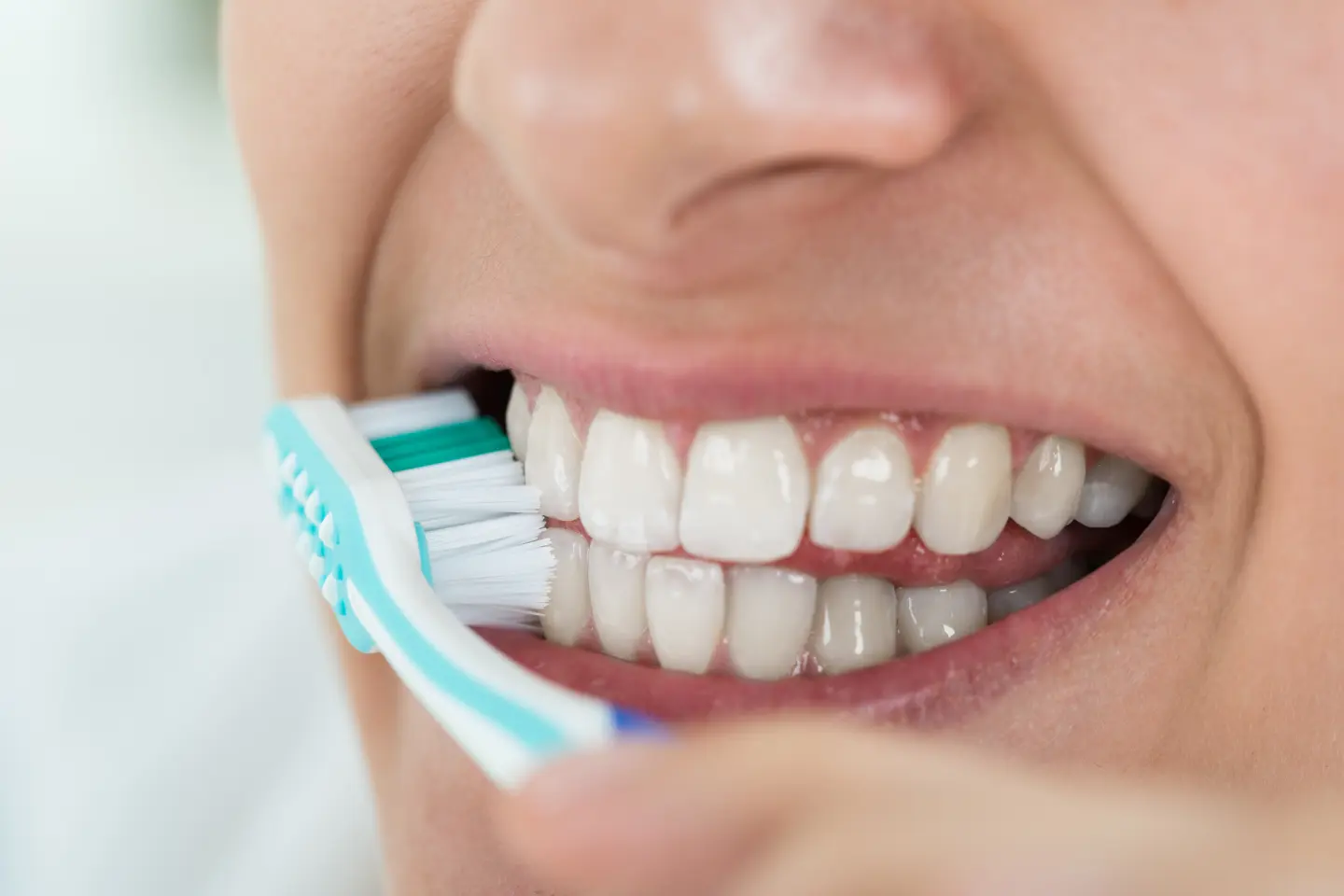
When it comes to maintaining a healthy smile, most people know the basics—brushing twice a day, flossing daily, and visiting the dentist regularly. But one question continues to confuse many: Should mouthwash be used before or after brushing? Both methods can be beneficial, but the right choice depends on the type of mouthwash you’re using and your overall oral hygiene goals.
This guide breaks down the proper order, the benefits, and what dental professionals recommend so you can get the most out of your oral care routine.
Understanding the Role of Mouthwash
Mouthwash is more than just a minty liquid that freshens your breath. Depending on the formula, it can help with plaque control, cavity prevention, gum health, bad breath, and even tooth sensitivity. Many mouthwashes contain active ingredients such as fluoride, antibacterial agents, or essential oils that improve oral health when used correctly.
The impact of mouthwash depends on how and when you use it, which brings us to the main question—before or after brushing?
Should You Use Mouthwash Before Brushing?
Using mouthwash before brushing isn’t very common, but it does offer some benefits.
Benefits of Using Mouthwash Before Brushing
Rinsing your mouth with mouthwash before brushing helps loosen food particles and debris. This can make brushing more effective, especially if you tend to rush or miss certain areas. It can also help reduce oral bacteria before your toothbrush makes contact with teeth and gums.
Many people who experience morning dryness or sticky plaque buildup feel that using mouthwash first helps “prepare” the mouth before brushing.
When This Method Works Best
Using mouthwash before brushing is helpful if you prefer starting your routine with a clean, refreshed feeling. It can also be useful for people with bad breath (halitosis) because antibacterial mouthwashes kill bacteria before brushing.
However, this is not the most recommended approach for fluoride-based mouthwashes.
Should You Use Mouthwash After Brushing?
The most widely recommended method is to use mouthwash after brushing, especially if the mouthwash contains fluoride.
Why Dentists Recommend Rinsing After Brushing
Using fluoride mouthwash after brushing helps strengthen your enamel, protect against cavities, and keep your teeth healthier for longer. When you brush and floss first, your teeth are clean and free from plaque, allowing the fluoride in the mouthwash to coat your teeth more effectively.
This also helps extend your cavity protection throughout the day or night.
How to Use Mouthwash After Brushing for Best Results
For maximum benefit:
- Brush your teeth thoroughly for two minutes.
- Floss to remove food particles between teeth.
- Avoid rinsing your mouth with water immediately after brushing.
- Use a fluoride mouthwash and swish it for 30–60 seconds.
- Do not eat or drink for at least 30 minutes afterward.
Following these steps allows fluoride to stay on the teeth longer, offering stronger protection.
What Happens If You Use Mouthwash Immediately After Brushing?
If you use a non-fluoride mouthwash right after brushing, you may actually wash away the concentrated fluoride left behind from your toothpaste. This reduces some of the benefits of brushing.
This is why dental experts advise:
- Use fluoride mouthwash after brushing,
- Use cosmetic or antibacterial mouthwash at a different time of day or before brushing.
Understanding the type of mouthwash you use makes all the difference.
The Best Routine Depends on the Type of Mouthwash
There are three major types of mouthwashes, and each affects the timing differently:
1. Fluoride Mouthwash
Best used after brushing
Fluoride strengthens enamel, prevents cavities, and reduces tooth sensitivity. Using it after brushing helps fluoride stay on the teeth longer.
2. Antibacterial Mouthwash
Can be used before or after brushing
Great for reducing bacteria, freshening breath, and managing gum disease. It does not replace toothpaste but can complement brushing at any time.
3. Cosmetic Mouthwash
Best used before brushing or between meals
These mouthwashes improve breath temporarily but do not offer long-term dental benefits.
Since they don’t contain fluoride, using them before brushing helps avoid washing away fluoride after brushing.
What Do Dentists Recommend?
Most dentists agree on this general guideline:
- If your mouthwash contains fluoride → use it after brushing.
- If it does not contain fluoride → use it before brushing or at another time of day.
The American Dental Association also supports using fluoride products after brushing to ensure the ingredients stay on teeth longer.
The most important thing is that mouthwash should not replace brushing or flossing. It should be an added step in your daily oral hygiene routine.
How Often Should You Use Mouthwash?
Most people benefit from using mouthwash once or twice a day, depending on their dental needs. If you’re dealing with bad breath, gum disease, or frequent cavities, your dentist may recommend a specialized mouthwash or a specific routine.
Those with sensitive teeth may be advised to choose a fluoride rinse at night to strengthen enamel while they sleep.
Always follow the instructions on the bottle and your dentist’s personalized recommendations.
The Final Answer: Before or After?
To sum it up simply:
- Use mouthwash after brushing if it contains fluoride.
- Use mouthwash before brushing or at any time if it’s antibacterial or cosmetic.
- Never rinse with water right after brushing if you want maximum fluoride protection.
Using mouthwash correctly can significantly improve your oral health, helping you prevent cavities, strengthen enamel, and maintain fresh breath throughout the day.


