Same-Day Appointments Available

How to Get a Tooth Out Painlessly in San Jose
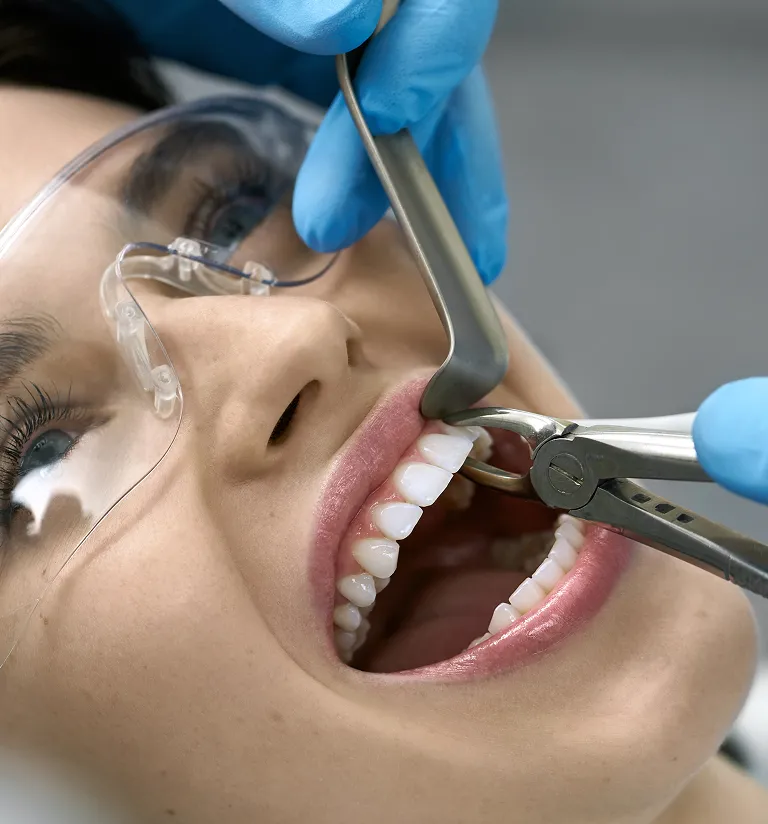
Getting a tooth removed can feel intimidating, especially if you're worried about pain. Fortunately, modern dentistry has transformed the extraction process into a safe, efficient, and comfortable experience for most patients. If you need a painless tooth extraction in San Jose, understanding what to expect can help ease anxiety and give you confidence about your treatment.
At Varni Dental, we focus on gentle techniques, advanced anesthesia, and personalized care to help patients protect their long-term oral health with minimal discomfort.
Why You May Need a Tooth Extraction
Dentists typically recommend tooth extraction only when preserving the natural tooth is no longer the best option. Removing a problematic tooth can prevent more serious oral health complications and relieve pain caused by infection or damage.
You may need a tooth removed if you have:
- Deep decay that cannot be repaired with a filling or crown
- A cracked or broken tooth beyond restoration
- Advanced gum disease causing tooth mobility
- Infection that does not respond to root canal therapy
- Impacted or painful wisdom teeth
- Severe overcrowding before orthodontic treatment
A comprehensive dental examination at Varni Dental helps determine whether extraction is necessary or if alternative treatments can save the tooth.
If you're interested in learning more about common situations that may require extraction, understanding the underlying causes can help you seek treatment before complications develop.
How to Have a Comfortable Tooth Extraction
Many patients are surprised to learn that modern painless tooth removal techniques make extractions much easier than they expected. While every patient experiences treatment differently, most report feeling pressure rather than pain during the procedure.
The process begins with a detailed evaluation of your oral health and medical history. Your dentist will explain the procedure, answer your questions, and discuss options designed to maximize comfort.
Our goal is to help you feel informed, relaxed, and confident before treatment begins.
Professional Dental Extraction: The Most Comfortable Approach
Local Anesthesia Helps Eliminate Pain During Treatment
One of the most important advances in dentistry is the use of highly effective local anesthetics.
Your dentist will carefully numb the tooth and surrounding tissues before beginning the procedure. Once the area is fully anesthetized, most patients experience little to no pain, although mild pressure sensations are normal.
Modern anesthesia allows painless teeth removal procedures to be completed efficiently while helping patients remain comfortable throughout treatment.
Sedation Dentistry for Patients with Dental Anxiety
Dental anxiety is common, and fear should never prevent you from getting the care you need.
For patients who feel nervous, sedation options may be recommended to promote relaxation. These may include:
- Nitrous oxide (laughing gas)
- Oral sedation
These methods allow patients to remain conscious and responsive while feeling significantly calmer and more at ease.
Your dentist will review your medical history and treatment needs to determine whether sedation is appropriate for you.
Minimally Invasive Extraction Techniques
Modern extraction techniques focus on preserving surrounding tissues whenever possible.
Using specialized instruments and gentle approaches can help reduce trauma to the gums and supporting bone, resulting in benefits such as:
- Less swelling
- Reduced post-procedure discomfort
- Faster healing
- Improved overall patient experience
These advances have contributed significantly to making painless tooth extraction a realistic expectation for many patients.
Special Care for Wisdom Teeth
Wisdom teeth often require extraction because they become impacted, grow at improper angles, or contribute to crowding and infection.
Whether your wisdom teeth are fully erupted or impacted beneath the gums, careful planning and precise techniques can help minimize discomfort and promote a smoother recovery.
Your dentist may recommend imaging studies to evaluate the position of the teeth and develop the safest treatment approach.
Why You Should Never Try Removing a Tooth at Home
Attempting to remove a tooth yourself can lead to serious complications.
Without proper instruments, sterile conditions, and anesthesia, DIY extraction can result in significant pain and long-term damage.
Potential risks include:
- Uncontrolled bleeding
- Infection
- Broken roots remaining inside the gums
- Damage to nearby teeth
- Permanent injury to gum tissue or bone
- Delayed healing
Only a trained dental professional can safely perform a painless tooth removal procedure while minimizing risks and protecting your oral health.
Preparing for a Comfortable Extraction
Preparing for your appointment can help reduce anxiety and contribute to a positive experience.
Before your extraction, it's important to:
- Share your complete medical history
- Inform your dentist about all medications and supplements you take
- Follow any fasting instructions if sedation is planned
- Eat a light meal if advised by your dental team
- Arrange transportation home if sedation will be used
- Ask questions about the procedure and recovery process
Understanding what to expect often helps patients feel more relaxed and prepared.
At Varni Dental, our commitment to routine dental care services allows us to evaluate your overall oral health and ensure you're fully prepared before the procedure begins.
Recovery After Tooth Extraction
A successful recovery plays an important role in minimizing discomfort and promoting proper healing.
Following your dentist's instructions can help you recover comfortably after your procedure.
Helpful Aftercare Tips
After your extraction:
- Bite gently on gauze as directed to control bleeding
- Apply a cold compress to reduce swelling
- Take prescribed or recommended pain medication as instructed
- Eat soft foods for the first 24–48 hours
- Stay hydrated
- Rest and avoid strenuous physical activity
- Avoid smoking and alcohol during the initial healing period
- Do not use straws, as suction may disrupt clot formation
- Avoid touching the extraction site unnecessarily
Understanding Recovery After Anesthesia
Many patients have questions about recovery after anesthesia and what sensations are normal.
Depending on the type of anesthesia or sedation used, you may experience temporary numbness, mild grogginess, or slight fatigue after treatment. These effects generally improve within several hours.
If oral sedation was used, you should avoid driving, operating machinery, or making important decisions until the effects have completely worn off.
Your dental team will provide personalized instructions based on the type of anesthesia administered.
When to Contact Your Dentist
Although most extractions heal without complications, contact your dentist if you experience:
- Increasing pain several days after treatment
- Fever or signs of infection
- Excessive or persistent bleeding
- Worsening swelling
- Difficulty swallowing or breathing
- Severe discomfort that does not improve with recommended care
Prompt attention can help address concerns before they become more serious.
Why Patients Choose Varni Dental in San Jose for Tooth Extractions
Choosing the right dental team can make a significant difference in your experience.
Patients trust Varni Dental because of our commitment to compassionate care and individualized treatment planning. Our experienced dentists in San Jose combine modern technology with gentle techniques to help patients feel comfortable from consultation through recovery.
Whether you require a simple extraction or a more complex wisdom tooth procedure, our focus remains the same: delivering safe, effective care tailored to your unique needs.
Getting a tooth removed doesn't have to be a stressful experience. Thanks to advancements in anesthesia, sedation, and minimally invasive techniques, painless tooth extraction is achievable for many patients seeking treatment in San Jose.
If you have a damaged, infected, or painful tooth, seeking professional care promptly can prevent complications and support better long-term oral health. The experienced team at Varni Dental is here to answer your questions, discuss your options, and help you move forward with confidence toward a healthier smile.
Frequently Asked Questions on Painless Tooth Extraction
Is a painless tooth extraction really possible?
Modern dental techniques make painless tooth extraction possible for most patients. Local anesthesia effectively numbs the treatment area, so you may only feel slight pressure rather than pain during the procedure. Sedation options can also help anxious patients feel more relaxed. While some mild soreness after the extraction is normal, discomfort is usually manageable with proper aftercare.
How long does recovery after anesthesia take following a tooth extraction?
Recovery after anesthesia depends on the type of anesthesia or sedation used. Local anesthesia typically wears off within a few hours, while oral sedation may leave you feeling drowsy for the remainder of the day. Most patients can resume normal activities within 24 hours, although it's important to follow your dentist's instructions and rest as recommended.
What should I eat after a painless tooth removal procedure?
After a painless tooth removal, stick to soft foods such as yogurt, mashed potatoes, soup, smoothies (without using a straw), scrambled eggs, and applesauce for the first 24–48 hours. Avoid hard, crunchy, spicy, or very hot foods that may irritate the extraction site. As healing progresses, you can gradually return to your normal diet.
Are wisdom tooth extractions more painful than regular tooth extractions?
Wisdom tooth extractions can be more complex, especially if the teeth are impacted. However, modern anesthesia, sedation options, and gentle techniques help keep the procedure comfortable. Most patients report manageable discomfort during the recovery period rather than significant pain during treatment. Your dentist will provide personalized guidance to support a smooth healing process.
How do I know if I need a tooth extraction instead of another treatment?
A dentist will recommend extraction only when the tooth cannot be predictably saved through treatments such as fillings, crowns, or root canal therapy. Severe decay, advanced gum disease, fractures below the gum line, and impacted wisdom teeth are common reasons for removal. A thorough examination and diagnostic imaging help determine the most appropriate treatment option for your oral health needs.


