Same-Day Appointments Available

How Often Should You Get Your Teeth Cleaned? Your Dentist's Answer
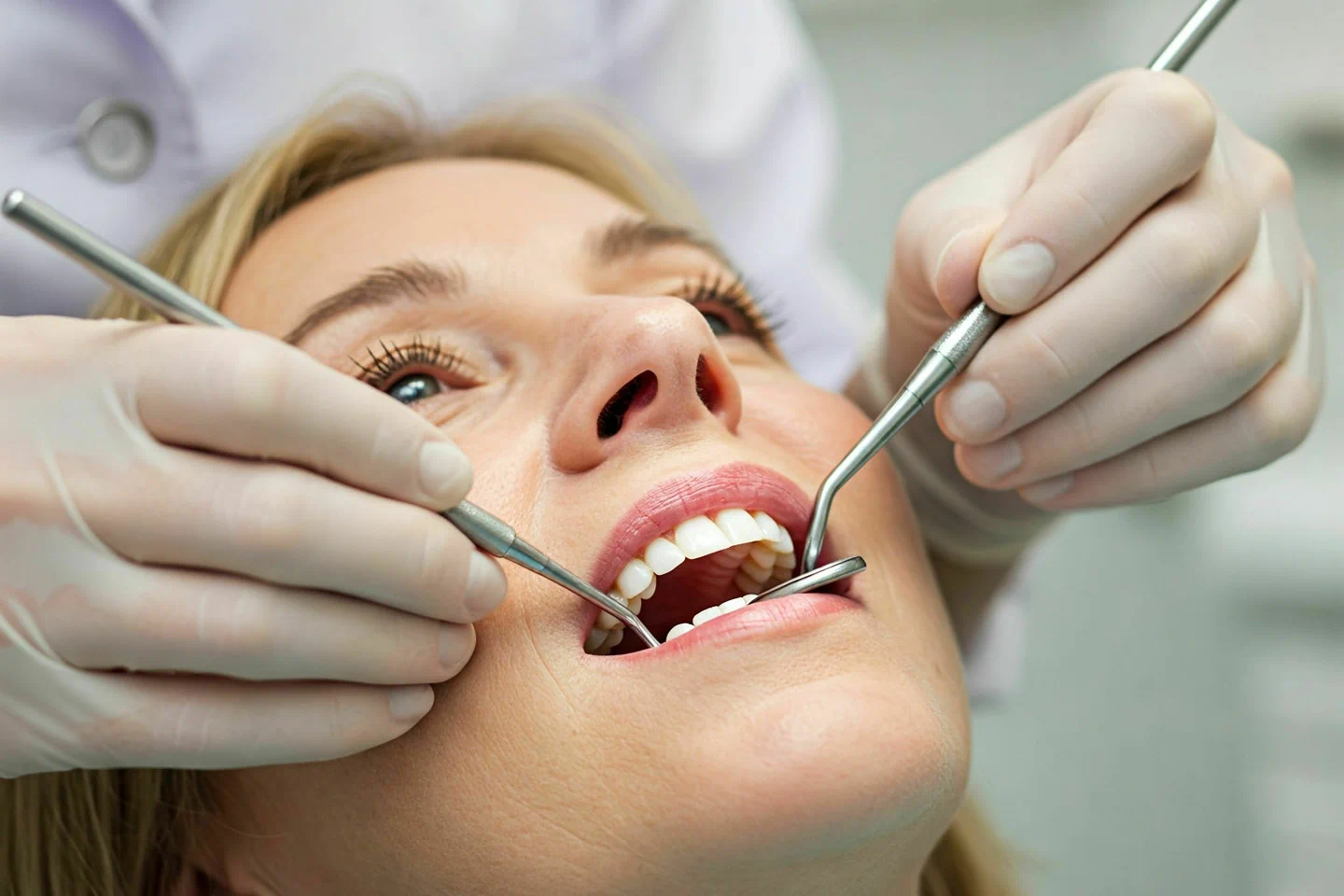
Regular teeth cleanings are one of the simplest ways to protect your oral health. But how often should you actually get your teeth cleaned? While many people follow the traditional recommendation of visiting the dentist every six months, the ideal cleaning schedule can vary depending on your oral health, dental history, and risk of developing gum disease or tooth decay.
At Varni Dental, we help patients in San Jose maintain healthy smiles with personalised preventive dental care. During your routine visits, our dental team can assess your teeth and gums, remove plaque and tartar that regular brushing cannot eliminate, and recommend a cleaning schedule based on your individual needs.
How Often Should You Get Your Teeth Cleaned?
For many people, professional teeth cleanings every six months are a good general guideline.
Regular cleanings help remove hardened tartar and buildup from areas that can be difficult to clean thoroughly at home. Your dentist or dental hygienist can also examine your teeth and gums during these appointments and identify potential concerns that may need attention.
However, not everyone needs to follow the exact same schedule. Some patients may benefit from more frequent cleanings, particularly if they have a history of gum disease, significant tartar buildup, or other factors that increase their risk of oral health problems.
Your dentist can recommend the appropriate frequency based on your specific needs.
Why Are Regular Teeth Cleanings Important?
Even with consistent brushing and flossing, plaque can accumulate in areas that are difficult to reach. If plaque remains on the teeth, it can harden into tartar, which cannot be removed effectively with a regular toothbrush.
Professional cleanings help remove this buildup and support healthier teeth and gums.
Routine dental cleanings may also help:
- Remove plaque and tartar buildup
- Reduce the risk of gum inflammation
- Support healthier gums
- Help prevent tooth decay
- Keep your smile feeling cleaner
- Allow your dental team to monitor changes in your oral health
A cleaning is also an opportunity for your dental team to identify areas where your home-care routine may need improvement.
Is Getting Your Teeth Cleaned Every Six Months Enough?
For many patients, yes. A six-month cleaning schedule works well as a general preventive-care routine.
However, six months should not be treated as a universal rule. Your oral health needs can change over time, and your dentist may recommend a different schedule.
For example, patients with a history of periodontal disease may need professional cleanings more frequently to help manage their gum health. Other patients may have relatively low risk and maintain good oral hygiene between routine appointments.
Your dentist can also help you understand how often you should visit the dentist based on your individual oral health needs.
Who May Need Teeth Cleanings More Often?
Some patients may benefit from cleanings more frequently than twice a year.
Your dentist may recommend more frequent appointments if you have:
- A history of gum disease
- Frequent tartar buildup
- Bleeding or inflamed gums
- Difficulty maintaining effective daily oral hygiene
- Certain dental conditions that increase your risk of oral problems
- A history of recurring cavities
- Areas that are difficult to keep clean
More frequent visits may also be recommended when your dentist is actively monitoring or managing an existing periodontal condition.
If your dentist identifies significant gum disease or buildup below the gumline, you may need a deep dental cleaning rather than a routine cleaning.
What Happens During a Professional Teeth Cleaning?
A routine dental cleaning is generally straightforward and focuses on removing plaque, tartar, and surface buildup from your teeth.
Your dental hygienist may:
- Examine your teeth and gums for signs of potential concerns.
- Remove plaque and tartar from the surfaces of your teeth.
- Clean around the gumline and between areas that are difficult to reach at home.
- Polish your teeth to remove certain surface stains and leave them feeling smooth.
- Discuss brushing, flossing, and other home-care recommendations.
Depending on your appointment and oral health needs, your dentist may also recommend X-rays or additional examinations.
Regular dental cleanings can be an important part of maintaining your preventive oral care routine.
Can You Clean Your Teeth Well Enough at Home?
Daily brushing and flossing are essential, but they do not completely replace professional dental cleanings.
Brushing twice a day and cleaning between your teeth can help control plaque buildup. However, once plaque hardens into tartar, it generally requires professional instruments to remove it safely.
Think of professional cleaning as part of your overall preventive routine rather than a replacement for good home care.
The combination of daily oral hygiene and regular dental visits gives your dental team the opportunity to monitor your oral health over time.
What Happens If You Skip Dental Cleanings?
Skipping a cleaning occasionally does not necessarily mean you will immediately develop a dental problem. However, consistently avoiding routine dental visits can make it easier for plaque and tartar to accumulate without professional removal.
Regular appointments also give your dentist an opportunity to identify changes in your teeth and gums before they potentially become more complicated.
If it has been a long time since your last cleaning, you do not need to feel embarrassed. Schedule an appointment and let your dental team evaluate your current oral health and determine what care you need.
If you have symptoms such as persistent bleeding, swelling, or discomfort, a dental check-up can help your dentist determine whether additional treatment is needed.
How Often Should Children Get Their Teeth Cleaned?
Children also benefit from regular dental visits and professional cleanings. Their recommended schedule depends on their age, oral health, dental development, and individual risk factors.
Regular dental appointments can help children become comfortable with dental care while allowing the dental team to monitor their developing teeth and gums.
Parents should also encourage children to brush regularly and develop good oral hygiene habits at home.
Does Your Diet Affect How Often You Need Cleanings?
Diet can influence your oral health, although it does not determine your cleaning schedule by itself.
Frequent consumption of sugary or acidic foods and beverages can contribute to dental concerns, particularly when combined with inadequate oral hygiene.
Maintaining a balanced diet, drinking water regularly, and limiting frequent sugary snacks can support your overall oral health. Your dentist can also provide personalised recommendations based on your dental needs.
What Is the Difference Between a Routine Cleaning and a Deep Cleaning?
A routine dental cleaning is generally performed as preventive care for patients with healthy gums or without significant periodontal concerns.
A deep cleaning, also known as scaling and root planing, is a periodontal treatment used when gum disease has developed and deeper cleaning beneath the gumline is needed.
These procedures are not interchangeable. If your dentist identifies signs of periodontal disease, they may recommend a treatment plan specifically designed to address the condition.
If you are unsure whether you need a routine cleaning or a deeper periodontal treatment, your dentist can evaluate your gums and explain the appropriate option.
How Can You Keep Your Teeth Clean Between Dental Visits?
Professional cleanings are only one part of maintaining a healthy smile. What you do at home between appointments matters too.
Try to:
- Brush your teeth twice a day with fluoride toothpaste.
- Clean between your teeth daily.
- Replace your toothbrush or toothbrush head when it becomes worn.
- Limit frequent sugary snacks and drinks.
- Drink water regularly.
- Visit your dentist for recommended examinations and cleanings.
If you are unsure whether your brushing or flossing technique is effective, ask your dental team for guidance during your next appointment.
When Should You Schedule Your Next Teeth Cleaning?
If it has been approximately six months since your last cleaning, it may be time to schedule your next dental visit. If your dentist has recommended a more frequent schedule because of your individual oral health needs, following that recommendation is important.
You should also contact your dentist rather than waiting for your next routine appointment if you experience symptoms such as persistent gum bleeding, swelling, tooth sensitivity, tooth pain, or other changes in your mouth.
If you are visiting Varni Dental for the first time, you can also learn more about what to expect during your first dental visit.
Why Choose Varni Dental for Preventive Dental Care?
At Varni Dental in San Jose, we believe preventive dental care should be straightforward and personalised.
Our team can evaluate your oral health, perform professional cleanings, monitor your teeth and gums, and recommend a preventive-care schedule that fits your needs.
Regular dental visits are not only about keeping your teeth feeling clean. They are an important opportunity to stay informed about your oral health and address concerns before they become more difficult to manage.
Keep Your Smile Healthy With Regular Dental Cleanings
So, how often should you get your teeth cleaned? For many people, every six months is a helpful starting point, but your ideal schedule may be different.
Your dental history, gum health, tartar buildup, oral hygiene habits, and individual risk factors can all influence how frequently you should receive professional cleanings.
If you are due for a cleaning or cannot remember when your last dental visit was, Varni Dental can help you determine the next step. Contact Varni Dental to schedule an appointment and keep your smile on track with regular preventive dental care.
Frequently Asked Questions on Teeth Cleaning Frequency
Q: How often should I get my teeth professionally cleaned?
A: Many people benefit from professional teeth cleanings every six months. However, your dentist may recommend a different schedule based on your oral health and individual risk factors.
Q: Can I get my teeth cleaned more often than every six months?
A: Yes. Some patients, particularly those with a history of gum disease or significant tartar buildup, may benefit from more frequent professional cleanings.
Q: Is a dental cleaning the same as a deep cleaning?
A: No. A routine cleaning is generally preventive care, while a deep cleaning, or scaling and root planing, is used to treat periodontal disease and clean areas below the gumline.
Q: Can brushing and flossing replace professional teeth cleanings?
A: No. Daily brushing and cleaning between your teeth are essential, but they cannot remove hardened tartar once it has formed. Professional cleanings help remove this buildup.
Q: What if I have not had a dental cleaning in several years?
A: Schedule a dental appointment rather than continuing to delay care. Your dentist can evaluate your teeth and gums, determine what treatment you need, and recommend an appropriate cleaning schedule.
Q: How can I know whether I need a dental check-up?
A: If you have persistent tooth pain, sensitivity, gum bleeding, swelling, or other changes in your mouth, schedule a dental evaluation. Even without symptoms, regular dental check-ups can help monitor your oral health.


