SAME-DAY APPOINTMENTS AVAILABLE
Contact Us
We encourage you to contact us with any questions or comments you may have. Please call our office or use the Quick Contact Form.
Call Us: (408) 901-0101
Email Us: [email protected]
Request an Appointment
Name*
Phone Number*
Are you new to our office?
How did you hear about us?
Preferred Day and Time for Appointment*
Reason for Visit
Messages sent using this form are not considered private. Please contact our office by telephone if sending highly confidential or private information.

Deep Cleaning vs Regular Cleaning Teeth: What's the Difference and Which Do You Need?
If your dentist just told you that you need a "deep cleaning" instead of your usual cleaning, it's normal to feel a little uneasy. Many patients hear that phrase and assume something has gone seriously wrong. In our experience, once patients understand what a deep cleaning actually does, the worry usually turns into relief. Understanding deep cleaning vs regular teeth cleaning comes down to one core idea: one is preventive, and the other is therapeutic.
Both procedures matter for your oral health, but they solve different problems. A regular cleaning keeps healthy gums healthy. A deep cleaning treats gum disease that has already started below the gumline. Knowing which one you need, and why, helps you make sense of your dentist's recommendation instead of just taking it on faith.
Quick Answer on Deep Cleaning vs Regular Teeth Cleaning
- The main difference: a regular cleaning removes plaque and tartar above the gumline to prevent disease; a deep cleaning (scaling and root planing) removes buildup below the gumline to treat existing gum disease.
- Who needs a deep cleaning: patients diagnosed with gingivitis or periodontitis, typically shown by bleeding gums, periodontal pockets of 4 millimeters or deeper, or visible tartar under the gum tissue.
- Is it painful: most patients feel mild soreness for a day or two, not sharp pain, since local anesthesia is commonly used during the appointment.
- Can a regular cleaning treat gum disease: no. A standard cleaning only reaches the tooth surface above the gums and cannot access bacteria trapped in periodontal pockets.
- How a dentist decides: through a periodontal exam that measures pocket depth, checks for bleeding, and reviews X-rays for bone loss around the teeth.
What Is a Regular Dental Cleaning?
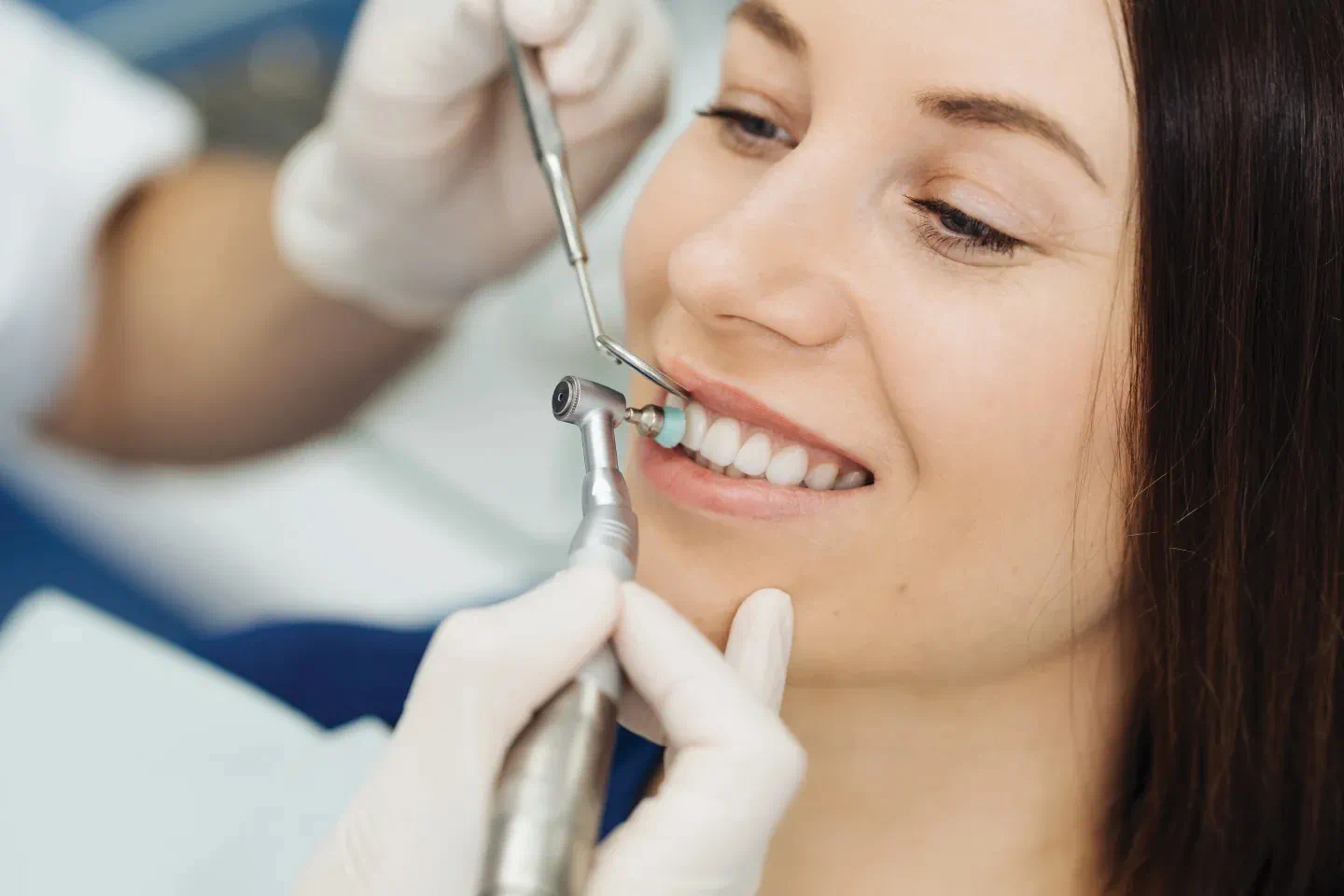
A regular dental cleaning, also called prophylaxis, is a preventive procedure that removes plaque and tartar from the visible surfaces of your teeth and just under the gumline.
During this visit, a hygienist scales away hardened tartar, polishes the teeth, and often flosses between them. It's designed for patients whose gums are healthy or show only mild inflammation. The American Dental Association recommends most adults schedule this visit every six months, though some patients need it more often depending on their risk factors. Scheduling preventive dental cleanings on time helps reduce the risk of gum disease and tooth decay.
A routine cleaning is fast, comfortable, and typically takes 30 to 45 minutes. It doesn't require anesthesia because it only addresses the areas of the tooth that are easy to reach.
What Is a Deep Cleaning (Scaling and Root Planing)?
A deep cleaning, clinically known as scaling and root planing, is a therapeutic procedure that removes plaque and tartar from below the gumline and smooths the tooth root to help gum tissue reattach.
Scaling clears bacterial buildup from the root surface, while root planing smooths that surface so gums can heal and close the pocket that formed between the tooth and the gum. This is not a cosmetic upgrade to a regular cleaning. It's a targeted treatment for periodontal disease, meaning infection and inflammation that has already damaged the gum tissue or the bone underneath it. Learn more about deep cleaning treatment and when it is recommended.
Because a deep cleaning addresses infected tissue, it's usually done in sections, often split across two or more visits so each quadrant of the mouth gets full attention.
Deep Cleaning vs Regular Cleaning Teeth: Key Differences
The clearest way to compare deep cleaning vs regular cleaning teeth is by purpose, depth, and outcome.
- Purpose: regular cleaning prevents disease; deep cleaning treats disease that has already taken hold.
- Depth of treatment: regular cleaning stays above and slightly below the gumline; deep cleaning reaches root surfaces beneath the gum tissue.
- Time required: regular cleaning takes under an hour in one visit; deep cleaning often requires two or more appointments, sometimes an hour per quadrant.
- Anesthesia: rarely needed for regular cleaning; commonly used for deep cleaning since the gum tissue is more sensitive and inflamed.
- Recovery: little to no recovery after regular cleaning; mild soreness and sensitivity for a few days after deep cleaning.
Neither procedure is inherently "better." A regular dental cleaning vs deep cleaning decision depends entirely on the condition of your gums, not personal preference.
Gingivitis vs Periodontitis: Why the Distinction Matters
Gingivitis is the early, reversible stage of gum disease, marked by red, swollen, or bleeding gums without permanent damage to the bone. Periodontitis is the advanced stage, where the infection has spread deeper and caused irreversible loss of the bone and connective tissue that holds teeth in place. If you're unsure how these conditions develop, this guide to gum disease explains the progression in greater detail.
This distinction shapes the entire treatment decision. According to the American Academy of Periodontology, gingivitis can often be resolved with improved home care and a professional cleaning, while periodontitis generally requires scaling and root planing, and sometimes ongoing periodontal therapy, because the damage doesn't reverse on its own.
We've found that patients are far more motivated to follow through with treatment once they understand that gingivitis caught early can be managed simply, but periodontitis left untreated tends to get worse, not better.
Signs and Symptoms That Point to a Deep Cleaning
Several warning signs suggest a patient needs periodontal treatment rather than a standard cleaning:
- Gums that bleed during brushing or flossing
- Persistent bad breath that doesn't improve with brushing
- Gums that appear red, puffy, or pulled away from the teeth
- Teeth that feel loose or shift position
- Visible tartar buildup near or under the gumline
- Sensitivity when eating hot or cold foods near the gumline
What Are Periodontal Pockets?
A periodontal pocket is the gap that forms between the tooth and the gum tissue when infection causes the gum to detach from the tooth surface. Healthy pockets measure 1 to 3 millimeters. Pockets of 4 millimeters or deeper generally signal gum disease and often point toward a deep cleaning rather than a routine visit.
How Dentists Diagnose Gum Disease
Dentists diagnose gum disease using a periodontal probe to measure pocket depth around each tooth, checking for bleeding on probing, and reviewing dental X-rays for bone loss. The Centers for Disease Control and Prevention notes that periodontal disease is common among adults, which is part of why routine periodontal screening at every checkup matters, even when nothing feels wrong.
When Is Regular Cleaning Enough?
A regular cleaning is sufficient when your gums show no signs of infection: minimal bleeding, healthy pocket depths under 4 millimeters, and no bone loss on X-rays. Most patients with good home care and consistent six month visits stay in this category for years.
Why Regular Cleanings Can't Remove Tartar Below the Gumline
A standard cleaning instrument isn't designed to reach deep into a periodontal pocket, and doing so on inflamed tissue without anesthesia would be uncomfortable and incomplete. Tartar that has calcified onto the root surface below the gum requires the more thorough scaling and root planing technique to fully remove. Attempting to treat true periodontal disease with only a routine cleaning leaves bacteria behind, which allows the infection to keep progressing quietly.
What Happens During a Deep Cleaning
Your dentist or hygienist typically numbs the treatment area with a local anesthetic, then uses hand instruments or ultrasonic tools to scale tartar off the root surface and smooth the root through planing. Many practices divide the mouth into two halves or four quadrants and treat one section per visit so the gum tissue isn't overwhelmed all at once. You can also learn more about scaling and root planing and how it helps stop periodontal disease.
In our experience, splitting treatment across visits also gives us a chance to check healing progress and adjust the approach if one area needs extra attention.
Recovery After a Deep Cleaning
Most patients notice mild gum soreness and tooth sensitivity for one to two days, occasionally stretching to about a week for sensitivity to fully settle. Some minor swelling or tenderness while chewing is common in the first 24 to 48 hours. Over the counter pain relief and a soft food diet for a day or two usually keep patients comfortable.
Does a deep cleaning hurt? During the procedure, no, because the area is numbed. Afterward, most people describe the sensation as soreness similar to a mild ache, not sharp pain.
Risks of Delaying Periodontal Treatment
Postponing a recommended deep cleaning allows bacteria to keep breaking down the gum attachment and, over time, the bone that supports your teeth. Left untreated, periodontitis can progress to tooth mobility and eventually tooth loss. The National Institutes of Health notes that periodontal disease has also been studied for its links to broader health concerns, which is one more reason early treatment matters rather than waiting until symptoms feel unbearable.
We've seen patients delay treatment out of fear of discomfort, only to return months later needing more extensive care than if they had addressed it early. Acting on your dentist's recommendation when pockets are still moderate tends to produce a far better outcome than waiting.
Maintenance After a Deep Cleaning
Once a deep cleaning is complete, ongoing periodontal maintenance visits become part of your routine care. These visits are similar to a regular cleaning but focus specifically on monitoring pocket depth and preventing bacteria from recolonizing below the gumline. Many patients are seen more frequently than the standard six month interval, often every three to four months, though the exact schedule depends on how advanced the disease was and how well it responds to treatment.
Consistent home care supports this maintenance: brushing twice daily, flossing or using an interdental brush, following any specific hygiene instructions your dental team gives you, and knowing how to remove dental plaque effectively between appointments.
Benefits of Each Cleaning
A regular cleaning keeps healthy teeth and gums that way, catches small issues early, and takes little time out of your day. A deep cleaning stops active gum disease from progressing, helps gum tissue reattach to the tooth, reduces bad breath caused by bacterial buildup, and protects the bone structure that keeps your teeth stable. Both serve your long term oral health; they simply address different starting points. Pairing professional care with healthy oral hygiene practices helps maintain these results over time.
Weighing deep cleaning vs regular cleaning teeth really comes down to the current state of your gums. A regular cleaning is a preventive visit for healthy mouths, while a deep cleaning is a targeted treatment for gum disease that has already taken hold. Neither replaces the other, and choosing between regular teeth cleaning vs deep cleaning isn't something you need to figure out alone. Your dentist bases that decision on measurable signs like pocket depth, bleeding, and bone loss, not guesswork.
If you've been told you need a deep cleaning, know that it's a proactive step toward preserving your natural teeth, not a sign of failure. Early diagnosis and timely periodontal care make a real difference in whether gum disease stays manageable or turns into something more serious. Along with following your dentist's recommendation, keeping up with the importance of regular dental exams can help prevent future periodontal problems and protect your smile well into the future.
FAQs On Deep Cleaning vs Regular Teeth Cleaning
What is the difference between a deep cleaning and a regular cleaning?
A regular cleaning removes plaque and tartar above the gumline to prevent disease, while a deep cleaning removes buildup below the gumline to treat gum disease that has already developed.
How do I know if I need a deep cleaning?
Your dentist determines this through a periodontal exam that measures pocket depth, checks for bleeding, and reviews X-rays for bone loss. Symptoms like bleeding gums, bad breath, and loose teeth are also signs worth mentioning at your visit.
Does a deep cleaning hurt?
Most patients feel little to no pain during the procedure since local anesthesia is commonly used. Mild soreness or sensitivity for a day or two afterward is normal.
Can a regular cleaning remove tartar below the gums?
No. Standard cleaning tools and technique only address the tooth surface above and slightly below the gumline, not tartar calcified onto root surfaces deeper in a periodontal pocket.
How long does a deep cleaning take?
A deep cleaning is often completed over two or more visits, with roughly 45 minutes to an hour spent per section of the mouth, depending on how much tartar and inflammation is present.
What happens if I don't get a recommended deep cleaning?
Untreated gum disease tends to progress, leading to deeper pockets, further bone loss, and eventually loose or lost teeth. Early treatment is generally simpler and more effective than treatment delayed until the disease advances.
Will I need anesthesia for a deep cleaning?
Local anesthesia is commonly used to numb the gum tissue and root surface, since deep cleaning involves inflamed areas that would otherwise be uncomfortable to treat.
How often do I need a deep cleaning?
A deep cleaning itself is usually a one time treatment per affected area, but the periodontal maintenance visits that follow are often scheduled every three to four months, depending on the severity of your gum disease.
Can gum disease return after a deep cleaning?
Yes, gum disease can return if plaque and tartar are allowed to build up again, which is why consistent home care and periodontal maintenance visits are essential after treatment.
What should I do after a deep cleaning?
Stick to soft foods for a day or two, avoid very hot or cold items if your teeth feel sensitive, keep up gentle brushing and flossing, and attend any follow up or maintenance visits your dentist schedules.

Office Hours
- Monday:9:00am - 6:00pm
- Tuesday:9:00am - 6:00pm
- Wednesday:9:00am - 6:00pm
- Thursday:Closed
- Friday:9:00am - 6:00pm
- Saturday:By appointment only
- Sunday:Closed


Location
Navigation
Support
Office Hours
- Monday:9:00am - 6:00pm
- Tuesday:9:00am - 6:00pm
- Wednesday:9:00am - 6:00pm
- Thursday:Closed
- Friday:9:00am - 6:00pm
- Saturday:By appointment only
- Sunday:Closed