Same-Day Appointments Available

Clear Braces for Adults: What You Need to Know
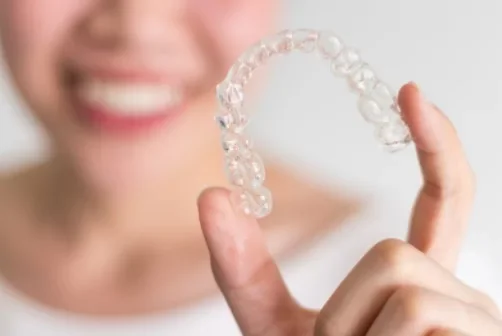
Want straighter teeth, but not a mouth full of shiny metal that everyone notices first? Clear braces can be an option for adults who'd like orthodontic treatment with a more discreet look. They use tooth-colored or translucent ceramic brackets, so they blend into your smile a lot better, and they work in much the same way as traditional braces.
At Varni Dental, we offer clear braces in San Jose for patients who want to improve their alignment without a very obvious appliance. Before anything starts, your dentist can look at your teeth, gums, bite, and overall oral health to see whether clear braces are right for you.
What Are Clear Braces?
Clear braces are a type of fixed orthodontic treatment. Slowly, over time, they move your teeth into better alignment. Where traditional braces have those noticeable metal brackets, clear braces generally use ceramic ones that match the natural shade of your teeth.
The brackets and wires put gentle, controlled pressure on the teeth. Clear braces can be used to address several orthodontic concerns, including:
- Crooked teeth
- Crowded teeth
- Gaps between teeth
- Overlapping teeth
- Certain bite problems
- Teeth that have shifted out of alignment
They're less noticeable than metal braces, but not invisible. They're also not the same as clear aligners, which use removable plastic trays instead of brackets and wires.
Can You Get Clear Braces as an Adult?
Yes. If your teeth and gums are healthy enough, adults can have orthodontic treatment, clear braces included.
Age by itself isn't a barrier. Your dentist or orthodontist will still weigh a few other things: gum health, the condition of your teeth, existing dental work, your bite, and the kind of tooth movement you need.
Untreated cavities or active gum disease may need to be dealt with first. Healthy teeth and gums give orthodontic care a better starting point.
What Do Clear Braces Look Like?
They look a lot like traditional braces, since they also have brackets and an archwire on the front of your teeth. What's different is the material and the color of the brackets.
Ceramic brackets are usually tooth-colored or translucent, so they blend in with your natural teeth. When you smile, that can make the braces less noticeable.
Up close, you'll still see them. How they look can also depend on the brackets, wires, and elastics used during treatment.
If you're self-conscious about wearing braces at work, at social events, or just day to day, that more discreet look can matter.
Why Do Adults Choose Clear Braces?
Adults pick clear braces for a few different reasons.
A More Discreet Appearance
Visibility is the biggest difference between clear and metal braces. Ceramic brackets are made to blend in with your teeth, so they stand out less.
Fixed Treatment
Clear aligners come out. Clear braces don't. They stay on your teeth the whole time, so there's nothing to put back in after you eat or clean your teeth.
Can Address Different Alignment Concerns
The basic idea is the same as with traditional braces: controlled forces gradually move the teeth. That's why clear braces can be considered for several kinds of alignment and bite concerns.
May Support Easier Cleaning After Treatment
Crowded or overlapping teeth can be hard to clean in spots. Once treatment is finished, better alignment may make brushing and cleaning between your teeth easier.
Are Clear Braces the Best Choice for Adults?
There's no one type of braces that's best for every adult. What's right for you depends on your teeth, bite, goals, oral health, lifestyle, and the tooth movement you need.
Clear braces may be worth considering if you:
- Want a less noticeable alternative to metal braces
- Prefer a fixed orthodontic appliance
- Have orthodontic concerns that can be treated with ceramic braces
- Are comfortable following dietary and oral hygiene recommendations
- Want to straighten your teeth without using removable aligners
Before recommending anything, your dentist can talk you through clear braces and your other orthodontic options.
Clear Braces vs. Metal Braces
Both use brackets and wires to move teeth gradually. Mostly, they differ in looks and materials.
Metal braces are made from stainless steel, and they're easier to spot. Clear braces use ceramic brackets made to blend in with the natural color of your teeth.
Ceramic brackets can also be more fragile than metal ones. That's why it matters to follow your dentist's advice on food and care.
Your dentist can walk you through the pros and cons of each option based on your own needs.
Clear Braces vs. Clear Aligners
The two get mixed up a lot, because both offer a more discreet way to straighten teeth. They don't work the same way, though.
Clear braces have fixed brackets and wires attached to your teeth. Clear aligners are a series of removable trays that fit over them.
You can take aligners out to eat, drink, and clean your teeth. Clear braces stay put. The flip side is that they don't depend on you remembering to wear them all day.
Neither one is automatically right for everyone. A dental exam can help sort out which suits your alignment concerns.
How Long Do Adults Need to Wear Clear Braces?
It varies from person to person. How long depends on how far out of alignment your teeth are, what kind of bite correction you need, how much movement is required, and how closely you follow your treatment instructions. For more detail, read our post on how long it takes to straighten teeth.
Treatment can run from several months to a few years, depending on the case. After evaluating your teeth and planning your treatment, your dentist can give you a more personalized estimate.
Try not to compare your timeline with someone else's. Two people can both have clear braces and need very different amounts of tooth movement.
How Do You Care for Clear Braces?
Oral hygiene matters even more with braces, since food and plaque can collect around the brackets and wires.
To care for your teeth during treatment:
- Brush your teeth carefully twice a day with fluoride toothpaste.
- Clean around your brackets and along the gumline.
- Clean between your teeth as recommended by your dental team.
- Attend your scheduled dental and orthodontic appointments.
- Avoid foods that can damage or dislodge brackets.
- Follow any additional cleaning instructions provided by your dentist.
Hard, sticky, and crunchy foods can raise the risk of damaging your braces. Your dental team can give you a personalized list of foods to avoid.
Can Clear Braces Stain?
The ceramic brackets themselves are made to stay tooth-colored. Some other parts of braces can stain, though. Coffee, tea, tomato-based sauces, and other strongly colored foods and drinks may affect some orthodontic components. Our post on whether clear braces stain goes into more detail.
Good oral hygiene and your dentist's recommendations can help keep your teeth and braces looking clean throughout treatment.
What Happens Before You Get Clear Braces?
Your first appointment usually involves an assessment of your teeth, gums, bite, and overall oral health. Your dentist may also use dental photographs, X-rays, or other diagnostic information to plan your treatment.
Untreated tooth decay or gum disease may need to be managed before braces go on.
Once your oral health and orthodontic needs have been assessed, your dental team can talk about whether clear braces are suitable and explain what to expect along the way.
Why Choose Varni Dental for Clear Braces in San Jose?
At Varni Dental, we know a lot of adults want a better smile without making their orthodontic treatment the center of attention.
Our clear braces treatment uses ceramic brackets that give a more discreet look while helping with alignment concerns. We can evaluate your smile, talk through your goals, and help you understand whether clear braces may be appropriate for you.
We also believe orthodontic treatment should start from a healthy foundation. If you need general dental care before starting braces, our team can help identify and address problems with your teeth and gums.
Are Clear Braces Right for You?
Clear braces can be an option for adults who want to straighten their teeth with something less noticeable than traditional metal braces. They can address a range of orthodontic concerns, using fixed brackets and wires to move the teeth gradually.
Still, the best approach depends on your own oral health and orthodontic needs. A consultation can help you understand your options and what treatment may involve.
Considering clear teeth braces for adults in San Jose? Varni Dental can help you explore your options. Schedule a consultation to talk about your smile goals and find out whether clear braces may be suitable for you.
Frequently Asked Questions on Clear Braces for Adults
Q: What are clear braces?
A: Clear braces are fixed orthodontic appliances that use tooth-colored or translucent ceramic brackets and wires to gradually move teeth into better alignment. They work much like traditional braces but are less noticeable.
Q: Can adults get clear braces?
A: Yes. Adults can get clear braces if their teeth and gums are healthy and their orthodontic needs suit this type of treatment. Your dentist can evaluate your oral health and tell you whether clear braces are an appropriate option.
Q: What do clear braces look like?
A: They look similar to traditional braces, since they use brackets and wires. The brackets, though, are generally tooth-colored or translucent, so they blend more closely with your natural teeth.
Q: Are clear braces better than metal braces?
A: Clear and metal braces follow similar orthodontic principles, but they differ in appearance and materials. Clear braces may appeal to adults who prefer a less noticeable option. Your dentist can help you compare the two based on your treatment needs.
Q: Are clear braces the same as clear aligners?
A: No. Clear braces use fixed ceramic brackets and wires, while clear aligners use removable plastic trays. Your dentist can tell you which approach fits your orthodontic needs.
Q: How long do adults need to wear clear braces?
A: Treatment time depends on how complex your case is and how much tooth movement is needed. After evaluating your teeth and bite, your dentist can give you a personalized estimate.


